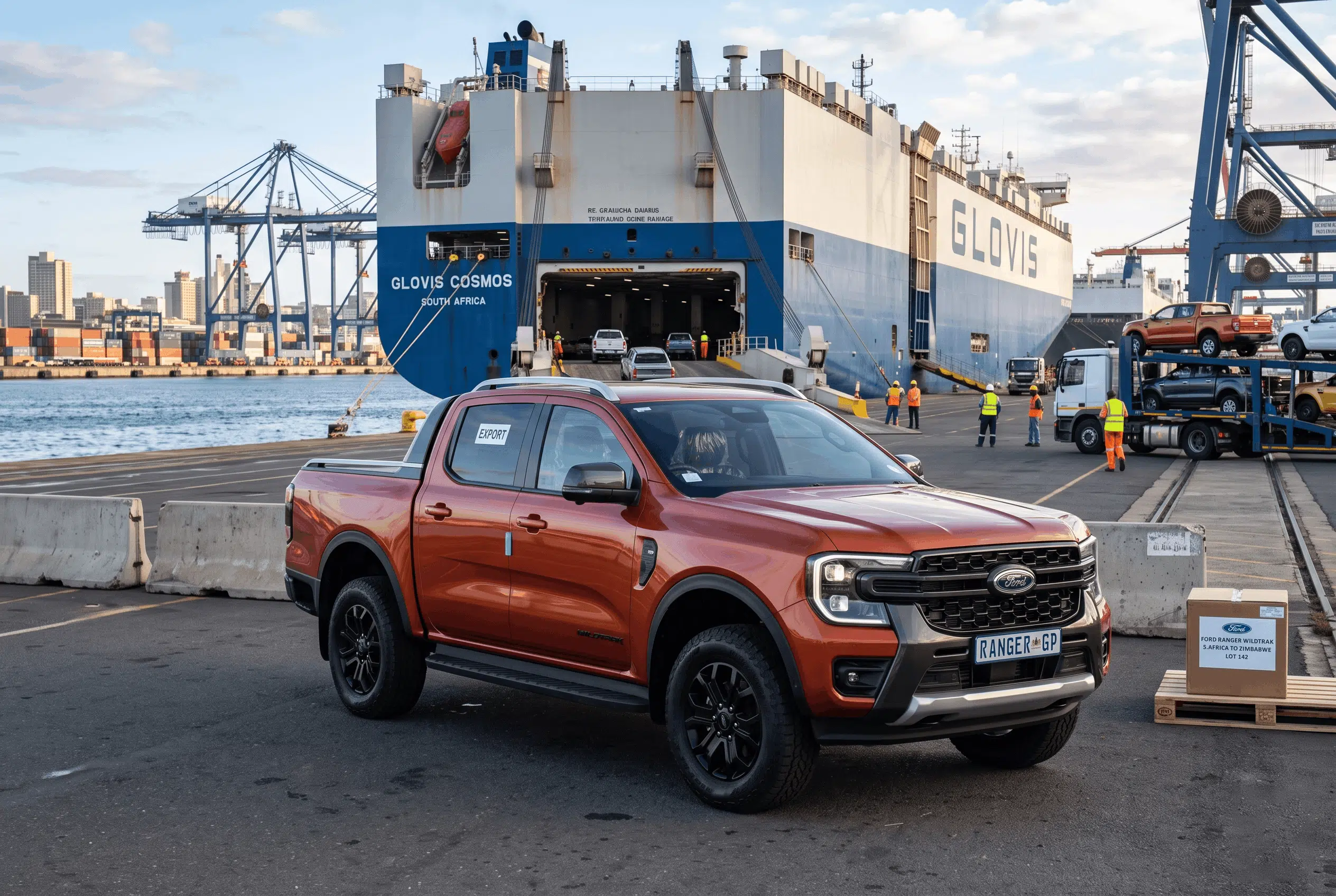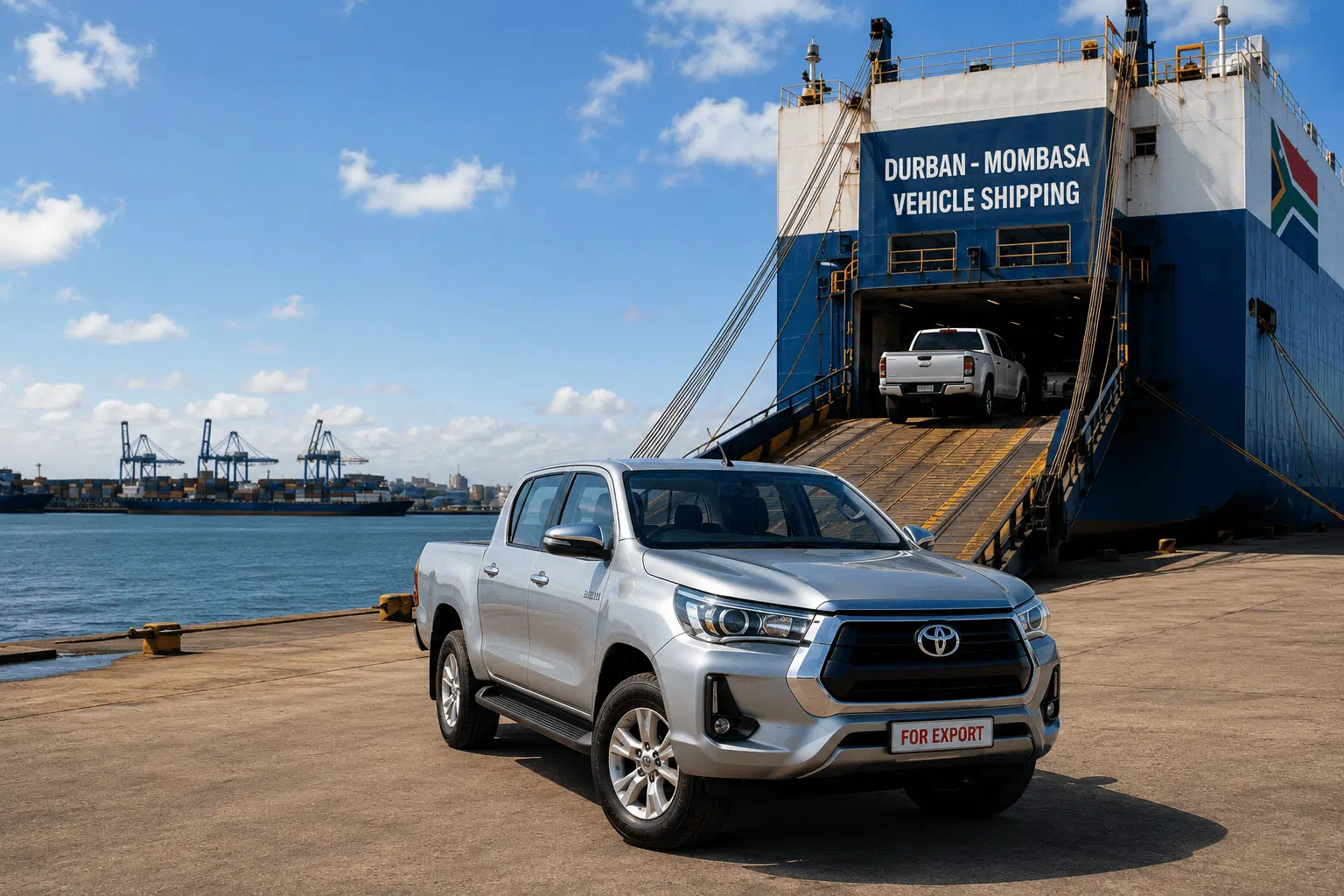


Namibia and South Africa share one of the most straightforward trade relationships in Africa. Both countries are founding members of the Southern African Customs Union, meaning goods moving between them operate under a common customs area framework that eliminates customs duty on intra-SACU trade. For vehicle buyers in Namibia, this has a direct and significant financial consequence: importing a vehicle from South Africa attracts no customs duty at all. Only VAT is payable.
This is the same structural advantage that Botswana enjoys as a fellow SACU member, and it makes South Africa the most cost-efficient vehicle source market available to Namibian buyers by a considerable margin. A vehicle imported from Japan, the UAE, the United Kingdom, or any country outside the Common Customs Area attracts customs duty on top of VAT. From South Africa, the duty component is zero.
Beyond the financial advantage, South Africa offers Namibian buyers the practical benefits of proximity, road transport access, right-hand drive vehicles, English-language documentation, and physical inspection before purchase. This guide covers the full 2026 import process from vehicle selection in South Africa through to registration in Namibia, including the updated age limit rule, the mandatory car carrier requirement, NamRA customs clearance, and everything a buyer needs to plan and budget correctly.
The SACU Advantage: Why South Africa Is Namibia’s Best Vehicle Source
Namibia is a member of the Southern African Customs Union alongside South Africa, Botswana, Lesotho, and Eswatini. The SACU agreement, confirmed by the Namibia Revenue Agency, means that customs duties are not levied on intra-SACU trade. Vehicles imported from South Africa into Namibia are therefore exempt from customs duty.
As confirmed by PwC’s Namibia Tax Summary and the NamRA directly, only VAT at 15 percent applies on the value of a vehicle sourced from South Africa. By contrast, vehicles imported from outside SACU attract ad valorem excise and customs duty at rates that can reach up to 30 percent depending on the recommended retail price of the vehicle, in addition to VAT.
The practical difference on a mid-range vehicle purchase is substantial:
| Import Source | Customs Duty | VAT (15%) | Total Tax Burden |
| South Africa (SACU member) | 0% | 15% of value | 15% |
| Japan or UAE (non-SACU) | Up to 30% | 15% on CIF + duty | 40 to 45% |
For a vehicle with a landed value of NAD 400,000, that difference represents NAD 100,000 to NAD 120,000 in additional duty costs when sourcing from outside SACU. The SACU advantage is not marginal. It fundamentally changes the economics of where a Namibian buyer should source.
For official confirmation of NamRA customs duties and the SACU exemption, visit namra.org.na.
Namibia’s 2026 Vehicle Import Rules: What You Must Know
Namibia has a clear set of vehicle import requirements. Understanding each one before purchase prevents costly surprises at the border or at NamRA customs.
12-year age limit for vehicles from outside the Common Customs Area. According to the Namibian Ministry of International Relations and Trade, the importation of used vehicles older than 12 years from outside the Common Customs Area is prohibited. This applies to passenger cars, station wagons, double cab pickup trucks, and light commercial vehicles. The restriction was formalised at 12 years following an earlier 8-year cap, and is confirmed on the official Namibia Trade Information Portal at namibiatradeportal.gov.na.
Critical note for South Africa buyers. South Africa is inside the Common Customs Area. The 12-year age restriction formally applies to vehicles from outside the CCA. However, the Namibia Trade Information Portal also confirms separately that the importation of vehicles more than 12 years old is prohibited generally. Buyers sourcing from South Africa should treat 12 years as the practical maximum age limit and source vehicles manufactured in 2014 or later to provide a comfortable compliance margin. Verifying the current position with a licensed NamRA clearing agent before purchase is always recommended.
Right-hand drive is required. Only right-hand drive vehicles are permitted for standard import into Namibia. South Africa is an RHD market, so all standard passenger vehicles and pickup trucks sourced here already meet this requirement.
Mandatory car carrier requirement. From 1 March 2023, NamRA requires that all second-hand vehicles imported into Namibia must arrive on a special enclosed trailer known as a car carrier. Vehicles cannot be driven across the border under their own power. This requirement applies to all used vehicle imports regardless of origin and is a practical consideration for transport planning and cost.
Walvis Bay is the official entry point for used vehicles. The Namibia Trade Information Portal confirms that the official point of entry for all second-hand motor vehicles imported into Namibia is Walvis Bay, where compliance inspections are conducted. This applies to vehicles arriving by road transport from South Africa as well as by sea freight.
Import permit required. An import permit from the Ministry of International Relations and Trade is required before the vehicle can enter Namibia. NamRA has confirmed that vehicles from outside the Common Customs Area that are over 8 years old require an import permit. For South Africa-sourced vehicles, your clearing agent can confirm the current permit requirement applicable to your specific vehicle’s age and category.
New June 2026 SARS declaration requirement. From 1 June 2026, the South African Revenue Service requires all vehicles crossing South Africa’s borders to be declared through the SARS Traveller Management System before departure. For export vehicles leaving South Africa for Namibia, the exporter or their agent must complete this digital declaration via sars.gov.za before the vehicle departs.
Step 1: Selecting the Right Vehicle
The import process starts with selecting a vehicle that meets Namibia’s requirements and suits your use case, and verifying it against all compliance criteria before payment is made.
The most commonly imported vehicles from South Africa to Namibia include:
- Toyota Hilux (double cab and single cab, both 4×2 and 4×4)
- Toyota Land Cruiser (70 Series for commercial and agricultural, 300 Series for private)
- Toyota Fortuner (private SUV use)
- Ford Ranger (commercial and personal)
- Volkswagen Amarok (popular in Windhoek and urban Namibia for business use)
- Isuzu D-Max (commercial and agricultural)
Before committing to any vehicle, confirm the following:
- The vehicle was manufactured in 2014 or later to provide a safe margin under the 12-year age rule
- VIN and engine numbers match registration documents exactly
- No outstanding finance registered against the vehicle in South Africa
- The vehicle has not been written off or flagged in eNaTIS
- Service history is documented and consistent with stated mileage
- The vehicle is right-hand drive
Browse verified used inventory available for export through Kalali Motors here: Used Cars
New vehicle options are available for buyers who want to eliminate age concerns entirely: New Cars
Step 2: South Africa Export Compliance
Every vehicle exported from South Africa requires completion of the mandatory export compliance process before it can legally depart.
Police clearance is the foundation of any South Africa vehicle export. A South African Police Service officer physically inspects the vehicle, verifies the VIN and engine numbers against national records, and confirms the vehicle is not stolen or flagged in any way. This is a legal requirement for every vehicle without exception and typically takes between three and seven working days.
SARPCCO clearance is required for vehicles entering Namibia. Namibia is a SARPCCO member country, and the SARPCCO Motor Vehicle Clearance Certificate is the recognised export clearance document for cross-border vehicle movements between SARPCCO member states. This clearance is arranged on the South Africa side before the vehicle departs.
For a full explanation of how SARPCCO clearance works: Complete Guide to SARPCCO Clearance for Vehicle Export from South Africa
Export documentation follows police clearance. The vehicle’s registration is converted for export and all compliance paperwork is prepared. Accurate documentation is critical at this stage. Any inconsistency between the physical vehicle and its paperwork will cause delays at the Namibian border crossing.
SARS TMS declaration must be completed digitally through sars.gov.za before the vehicle departs South Africa, as required from June 2026.
For a full breakdown of all documents required on the South Africa export side: Documents Required to Export a Car from South Africa
The complete South Africa export procedure is explained step by step here: Export Procedure
Step 3: Road Transport and the Car Carrier Requirement
Namibia’s proximity to South Africa makes road transport the standard delivery method. The two countries share a direct land border with multiple crossing points accessible from South Africa’s Northern Cape and Limpopo provinces.
The mandatory car carrier requirement. Since 1 March 2023, all second-hand vehicles imported into Namibia must arrive on an enclosed car carrier trailer. Vehicles may not be driven across the border under their own power. This is a firm NamRA requirement and transport arrangements must account for it. Your export facilitator or freight forwarder must confirm carrier availability and booking before the vehicle departs.
The main border crossings between South Africa and Namibia include:
Ariamsvlei/Vioolsdrift on the Orange River, connecting the Northern Cape to southern Namibia. This is the most direct route from Cape Town and the Western Cape.
Nakop/Ariamsvlei in the Northern Cape, connecting to Keetmanshoop and the southern Namibian corridor.
Noordoewer/Vioolsdrift on the Orange River, a commonly used commercial crossing for road freight between South Africa and Namibia.
Mata Mata/Rietfontein for buyers in the Kalahari corridor, though this is a less frequently used commercial route.
Road distance from Johannesburg to Windhoek via the most common commercial route is approximately 1,500 kilometres. On a car carrier, transit time is typically two to three days depending on the border crossing used and the carrier’s schedule.
Walvis Bay as the official compliance point. For second-hand vehicles arriving by road, the Namibia Trade Information Portal confirms that Walvis Bay is the designated official point of entry for used vehicle compliance inspections. Buyers and their clearing agents should confirm with NamRA whether the vehicle must be inspected at Walvis Bay before proceeding to the final destination, as this affects the logistics plan.
For buyers who want to understand sea freight as an alternative for high-value or multiple-unit shipments, this comparison covers both methods: RORO vs Container Shipping from South Africa
Step 4: NamRA Customs Clearance
Once the vehicle arrives at the Namibian border or at Walvis Bay, NamRA customs clearance is processed through the ASYCUDA World electronic declaration system. A licensed Namibian clearing agent must handle this step.
As confirmed by NamRA, vehicles imported from South Africa as a SACU member state are exempt from customs duty. VAT at 15 percent is payable on the declared value of the vehicle. NamRA uses the FOB value plus 10 percent or the market value, whichever is higher, as the basis for import VAT calculation. This means if your declared purchase price appears below NamRA’s market reference value for the same make, model, and year, they may adjust the VAT base upward.
Documents required for NamRA customs clearance:
- Original South African logbook in English
- SARPCCO Motor Vehicle Clearance Certificate
- Commercial invoice or bill of sale
- Road manifest or bill of lading
- SARS TMS export declaration reference number
- Import permit from the Ministry of International Relations and Trade
- Proof of identification (passport or Namibian ID)
- Bill of lading if arriving by sea freight
For official NamRA customs guidance, visit namra.org.na.
Step 5: Vehicle Registration in Namibia
Following NamRA customs clearance and VAT payment, the vehicle must be registered through the Namibia Transport Information System, known as NaTIS, before it can be legally used on Namibian roads.
Vehicle registration must be completed within 21 days of the vehicle being registered. After registration, the vehicle must be licensed within 21 days of the registration date.
Registration requirements as confirmed by the Roads Authority of Namibia at ra.org.na:
- Completed vehicle registration application form
- NamRA customs clearance confirmation
- Original South African logbook or export certificate
- Proof of identification
- Payment of prescribed registration fee
A roadworthiness test may also be required for imported used vehicles. Confirm the current roadworthiness inspection requirements with the Roads Authority or your clearing agent at the time of importation, as these requirements can vary depending on the vehicle’s age and condition.
Full Timeline: South Africa to Namibia
| Stage | Estimated Duration |
| Vehicle selection and verification | 3 to 7 days |
| Police clearance in South Africa (SAPS) | 3 to 7 working days |
| SARPCCO clearance | 3 to 5 working days |
| Export documentation and SARS TMS declaration | 2 to 4 days |
| Car carrier road transport to Namibia | 2 to 3 days |
| NamRA customs clearance at Walvis Bay or border | 3 to 7 working days |
| NaTIS vehicle registration | 2 to 5 days |
| Total realistic range | 3 to 5 weeks |
The timeline for a Namibia import is among the most favourable in the SADC region given the road transport proximity. The primary variable affecting timeline is the SARPCCO clearance processing period and the availability of compliant car carrier transport.
For a broader breakdown of the South Africa export process timeline: How Long Does It Take to Import a Car from South Africa?
Total Cost Summary
For a used Toyota Hilux Double Cab 2.8GD-6 4×4 from 2020 with an approximate South Africa purchase price of ZAR 450,000:
| Cost Component | Approximate Amount |
| Vehicle purchase price | ZAR 450,000 |
| Police clearance and SARPCCO | ZAR 3,000 to ZAR 6,000 |
| Export documentation | ZAR 1,500 to ZAR 3,000 |
| Car carrier road transport to Namibia | ZAR 5,000 to ZAR 10,000 |
| Marine or transit insurance | ZAR 2,000 to ZAR 4,000 |
| NamRA VAT (15% of declared value) | ZAR 67,500 (at 15% of ZAR 450,000) |
| NamRA clearing agent fee | ZAR 2,000 to ZAR 5,000 |
| NaTIS registration | ZAR 500 to ZAR 1,500 |
| Approximate total landed cost | ZAR 531,000 to ZAR 579,000 |
These are indicative figures. Exchange rate movements, NamRA’s market value assessment, and variable transport costs will affect the final figure for any specific transaction. The key point is that the absence of customs duty keeps the total tax burden to 15 percent VAT only, making Namibia one of the most cost-efficient import destinations in the region for South Africa-sourced vehicles.
For a full breakdown of how SADC country duties compare: Vehicle Import Duties from South Africa: Complete SADC Country Comparison (2026)
For a detailed South Africa-side cost breakdown: How Much Does It Cost to Import a Car from South Africa?
Is It Safe to Import a Car from South Africa to Namibia?
The route is well-established, the duty framework is clear, and the SACU relationship provides a stable regulatory foundation. The risks that exist are the same as in any remote vehicle purchase: undisclosed finance, accident history not disclosed by the seller, and documentation inconsistencies that surface at the border.
Working with an experienced export facilitator removes these risks through physical inspection, verified VIN checks, finance clearance confirmation, and complete documentation at every stage before the vehicle leaves South Africa.
For a complete guide to identifying and avoiding vehicle export fraud: How to Avoid Vehicle Export Scams from South Africa
Related Country Import Guides
- How to Import a Car from South Africa to Botswana
- How to Import a Car from South Africa to Zimbabwe
- How to Import a Car from South Africa to Zambia
- How to Import a Car from South Africa to Mozambique
- How to Import a Car from South Africa to Tanzania
- How to Import a Car from South Africa to Kenya
- All countries Kalali Motors exports to
How Kalali Motors Supports Namibia-Bound Buyers
Kalali Motors manages the South Africa side of the export process end to end for Namibia-bound buyers. This includes vehicle sourcing from a network of over 6,000 verified suppliers, physical inspection, SAPS police clearance, SARPCCO clearance, SARS TMS declaration, car carrier transport coordination, and all export documentation preparation.
The team has direct experience with the Namibia road transport route and the NamRA clearance requirements, and can advise on car carrier availability, timing, and border crossing options for your specific vehicle and destination in Namibia.
Jubilate Lema, Kalali Motors’ managing director, brings years of cross-border vehicle export experience across the SADC region, including regular export movements to Namibia.
Explore the full range of export and compliance services here: Export Paperwork and Compliance
For context on why South Africa is the most cost-effective sourcing market for SACU member countries: Why South Africa
To discuss your specific vehicle or get a quote for a Namibia-bound export, contact the team directly: Contact Kalali Motors
No. Namibia and South Africa are both members of the Southern African Customs Union. As confirmed by the Namibia Revenue Agency at namra.org.na, customs duties are not levied on intra-SACU trade. Only VAT at 15 percent applies on the declared value of a vehicle sourced from South Africa. By contrast, vehicles from outside SACU such as Japan or the UAE attract customs duty of up to 30 percent plus 15 percent VAT.
The Namibia Trade Information Portal confirms that the importation of vehicles more than 12 years old is prohibited. The restriction applies to passenger cars, station wagons, double cab pickup trucks, and light commercial vehicles. Buyers sourcing from South Africa should select vehicles manufactured in 2014 or later to provide a safe compliance margin. South Africa is within the Common Customs Area, which affects how the age restriction applies in specific cases, so confirming the current position with a licensed NamRA clearing agent before purchase is strongly recommended.
From 1 March 2023, the Namibia Revenue Agency requires that all second-hand vehicles imported into Namibia must arrive on an enclosed car carrier trailer. Vehicles may not be driven across the border under their own power. This rule applies to all used vehicle imports regardless of origin including South Africa. It is a firm NamRA compliance requirement and transport arrangements must account for it in both planning and cost.
The Namibia Trade Information Portal confirms that the official point of entry for all second-hand motor vehicles imported into Namibia is Walvis Bay, where compliance inspections are conducted. Road transport carriers delivering vehicles from South Africa should confirm the routing and inspection requirements with NamRA or a licensed clearing agent before departure.
The full process from purchase to registration realistically takes three to five weeks. SAPS police clearance and SARPCCO clearance in South Africa take approximately two weeks. Car carrier road transport to Namibia takes two to three days. NamRA customs clearance and NaTIS vehicle registration in Namibia add a further one to two weeks when documentation is complete.
You need the original South African logbook in English, the SARPCCO Motor Vehicle Clearance Certificate, commercial invoice, road manifest or bill of lading, SARS TMS export declaration reference number, import permit from Namibia’s Ministry of International Relations and Trade, and proof of identification. A licensed Namibian clearing agent will process the NamRA declaration through the ASYCUDA World system.