
If you are planning to import a car from South Africa, the first question is always about cost. Most buyers assume the vehicle price is the biggest expense, but in reality, the total cost includes multiple layers that are often overlooked.
Understanding the full cost structure before making a purchase is what separates a smooth import experience from a stressful one. Many buyers underestimate shipping fees, taxes, or compliance costs, and end up spending far more than expected.
This guide breaks down every cost involved, based on how the process actually works in real scenarios.
1. Vehicle Purchase Cost
The starting point is the vehicle itself. South Africa offers a wide range of options, from budget sedans to premium SUVs and commercial vehicles.
Prices vary depending on:
- Make and model
- Year of manufacture
- Mileage
- Condition and service history
Buyers often choose South Africa because the same vehicle can cost significantly more in countries like Tanzania or Zambia.
You can explore available New Cars and Used Cars inventory.
It is important to focus on value rather than just price. A slightly higher upfront cost for a well-maintained vehicle usually saves money in the long run.
2. Inspection and Verification Costs
Before any payment is made, the vehicle should be inspected. This is not optional, especially for international buyers.
Inspection typically covers:
- Engine condition
- Structural integrity
- Accident history
- Interior and electrical systems
This step helps avoid costly surprises after delivery. Many buyers skip this to save money, but it often leads to higher repair costs later.
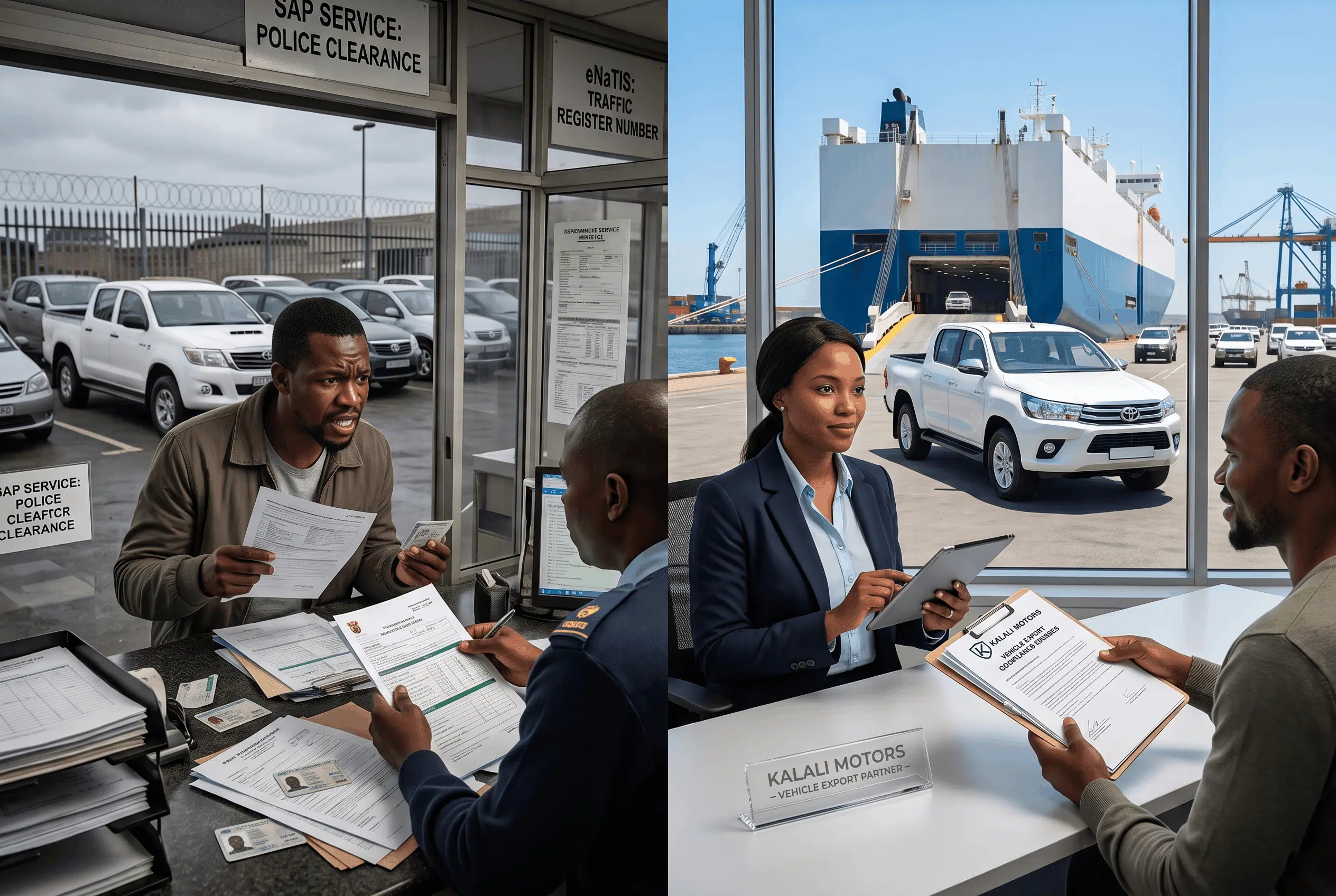
3. Export Documentation and Clearance
Once the vehicle is confirmed, the next cost layer comes from documentation and compliance.
This includes:
- Police clearance
- Export registration
- Ownership verification
- SARPCCO clearance (where applicable)
These are mandatory steps. Without them, the vehicle cannot legally leave South Africa.
The cost here is usually moderate, but mistakes can lead to delays, which increase storage and handling charges.
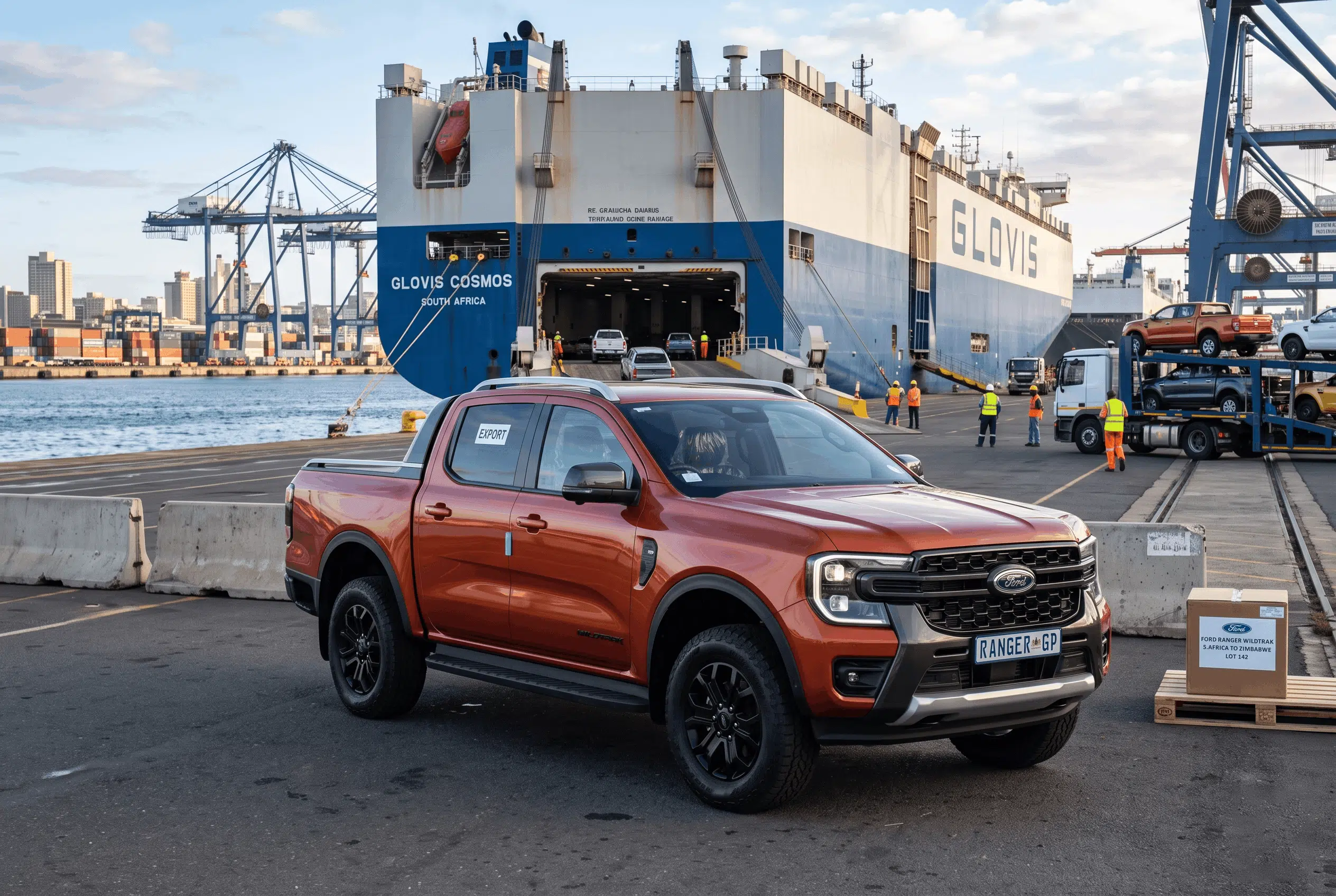
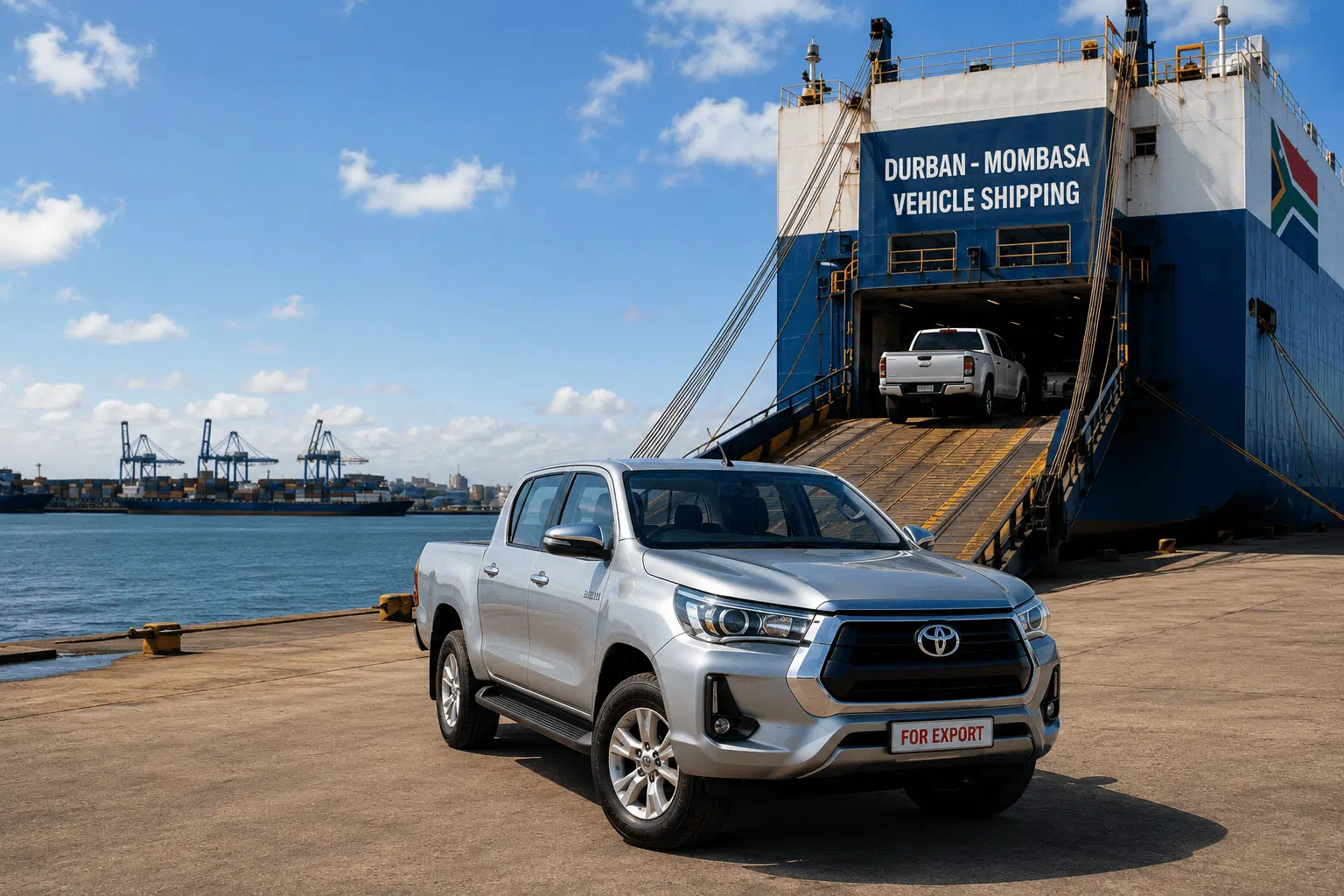
4. Shipping Costs
Shipping is one of the most significant cost components.
The final cost depends on:
- Destination country
- Shipping method
- Vehicle size and weight
There are two main options:
RORO shipping is usually more affordable and faster, but offers less protection.
Container shipping costs more but provides added safety and flexibility.
If you want a deeper comparison, read:
RORO vs Container Shipping from South Africa: Which Is Better for Exporting Your Car?
Shipping costs can vary widely, so getting a quote before purchase is essential.
5. Insurance Costs
Shipping insurance is often overlooked, but it is important.
While not always mandatory, it protects you against:
- Damage during transit
- Loss in rare cases
- Handling risks at ports
The cost is relatively small compared to the value of the vehicle, so skipping it is not worth the risk.
6. Port and Handling Charges
When the vehicle reaches the destination port, additional charges apply.
These include:
- Port handling fees
- Offloading charges
- Storage fees (if delayed)
These costs are usually fixed but can increase if documentation is not ready on time.
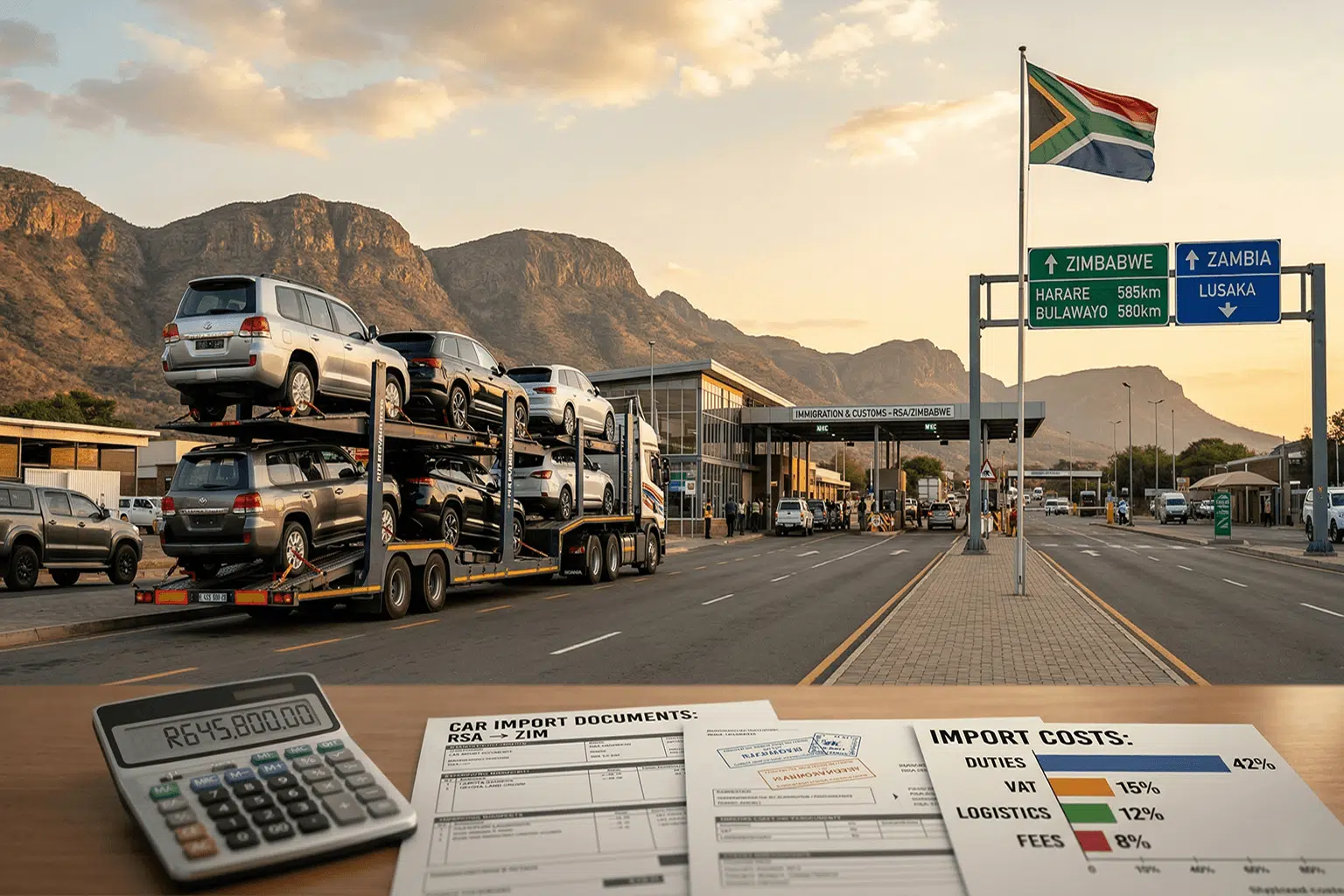
7. Import Duty and Taxes
This is where many buyers underestimate the total cost.
Import duties vary by country and are usually calculated based on:
- Vehicle value
- Engine size
- Year of manufacture
In addition to duty, buyers may need to pay:
- VAT
- Excise duty
- Environmental or regulatory fees
Each country has its own structure, so it is important to check before shipping.
You can review country-specific guidance here – Countries We Export To.
8. Inland Transport Costs
After clearing the vehicle from the port, it still needs to reach your location.
Depending on the country, this may involve:
- Road transport
- Local logistics coordination
This cost is often small compared to others but should still be included in your total estimate.
Typical Total Cost Example
To simplify, here is how a typical cost breakdown might look:
- Vehicle price: main cost component
- Documentation: moderate
- Shipping: moderate to high
- Taxes and duties: high (varies by country)
- Miscellaneous: smaller but unavoidable
The key takeaway is simple. The purchase price is only one part of the total cost.
Common Hidden Costs Buyers Miss
Even experienced buyers sometimes overlook certain expenses.
These include:
- Currency conversion charges
- Bank transfer fees
- Delays leading to storage costs
- Re-inspection or compliance adjustments
These costs are not always obvious at the beginning but can add up quickly.
How to Reduce Import Costs
Reducing cost is not about cutting corners. It is about making better decisions early in the process.
Choosing the right vehicle is the biggest factor. A well-priced vehicle with clean history reduces future expenses.
Shipping method also matters. RORO is cheaper, but not always the best option depending on the vehicle.
Working with an experienced export partner also helps avoid costly mistakes.
Why Buyers Work with Export Specialists
Handling everything independently can seem cheaper, but it increases risk.
Export specialists like Kalali Motors manage:
- Vehicle sourcing
- Inspection
- Documentation
- Shipping coordination
This reduces delays and ensures everything is handled correctly.
If you want to understand the full process or get a cost estimate, you can contact us.
Frequently Asked Questions
In many cases, yes. Buyers often save money due to better vehicle pricing and availability. However, the final cost depends on taxes and shipping.
For most buyers, import duty and taxes are the largest expenses after the vehicle price.
Yes, and you should. A proper estimate helps avoid surprises and ensures you stay within budget. To get estimate, you can contact us.
Yes. RORO is generally cheaper, while container shipping costs more but offers better protection.
Yes. Skipping inspection increases the risk of buying a vehicle with hidden issues.
Final Thoughts
Importing a car from South Africa can be a cost-effective decision, but only if you understand the full picture.
The process involves more than just buying a vehicle. Shipping, documentation, taxes, and logistics all contribute to the final cost.
Buyers who plan properly and understand each step are able to avoid unnecessary expenses and make better decisions.