

For many buyers across Africa, importing a car is no longer a question of whether to import, but from where. Two of the most common sourcing markets are Japan and South Africa. Both offer strong advantages, but they are very different in how the process works, the type of vehicles available, and the total cost involved.
Choosing the wrong source market can lead to higher expenses, longer delivery times, and challenges with maintenance after the vehicle arrives. This is why understanding the difference between Japan and South Africa imports is essential before making a decision.
This guide breaks down both options in a practical way, helping you understand which one fits your needs better.
Understanding the Two Markets
Japan is one of the largest exporters of used vehicles in the world. Buyers often access vehicles through auctions, where thousands of cars are listed daily. These vehicles are usually well maintained and come with inspection reports.
South Africa, on the other hand, operates through dealerships and verified sellers. Buyers typically have more transparency in terms of ownership history, service records, and physical inspections.
Both systems work, but they require different approaches.
Vehicle Condition and Inspection
Japanese imports are often praised for their condition. Vehicles are usually maintained well, and auction grading systems provide a level of confidence. However, buyers are still relying on reports and images rather than physical verification.
In South Africa, vehicles can be inspected physically before export. This reduces uncertainty, especially for buyers who want full confidence before making payment.
For many African buyers, this difference matters. Being able to verify a vehicle before export reduces risk significantly.
If you want to explore inspected vehicles, you can check our User Cars here.
Cost Comparison
At first glance, Japanese imports often appear cheaper. Auction prices can be lower, especially for older models.
However, the total cost tells a different story.
With Japan, buyers need to consider:
- Auction fees
- Agent commissions
- Shipping from Asia
- Longer transit times
With South Africa, while the vehicle price may sometimes be slightly higher, the overall process is simpler and more predictable.
If you want to understand how total cost works, you can read: How Much Does It Cost to Import a Car from South Africa? Full Cost Breakdown (2026)
In many cases, the final difference is not as large as buyers expect.
Shipping Time and Logistics
Shipping time is one of the biggest differences between the two options.
Vehicles from Japan typically take longer to arrive due to distance. Depending on the destination, this can take several weeks or more.
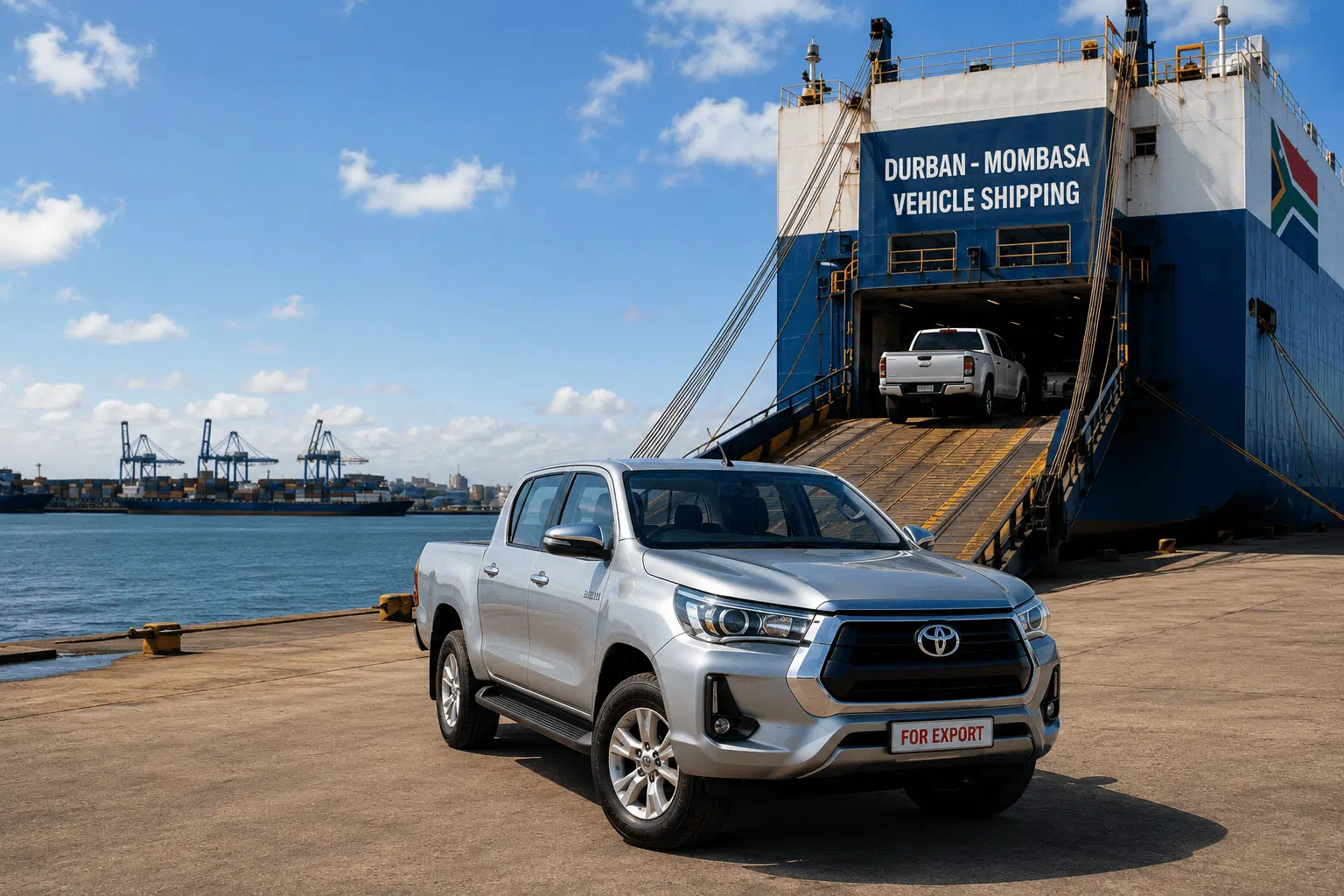
South Africa offers faster delivery, especially for countries within Southern Africa. Road transport is also an option, which reduces both time and complexity.
For buyers who need quicker delivery, South Africa has a clear advantage.
Vehicle Suitability for African Roads
Not all vehicles are built for the same conditions.
Japanese vehicles are often designed for smooth roads and urban environments. While they are reliable, some models may not perform well in rough terrain or demanding conditions.
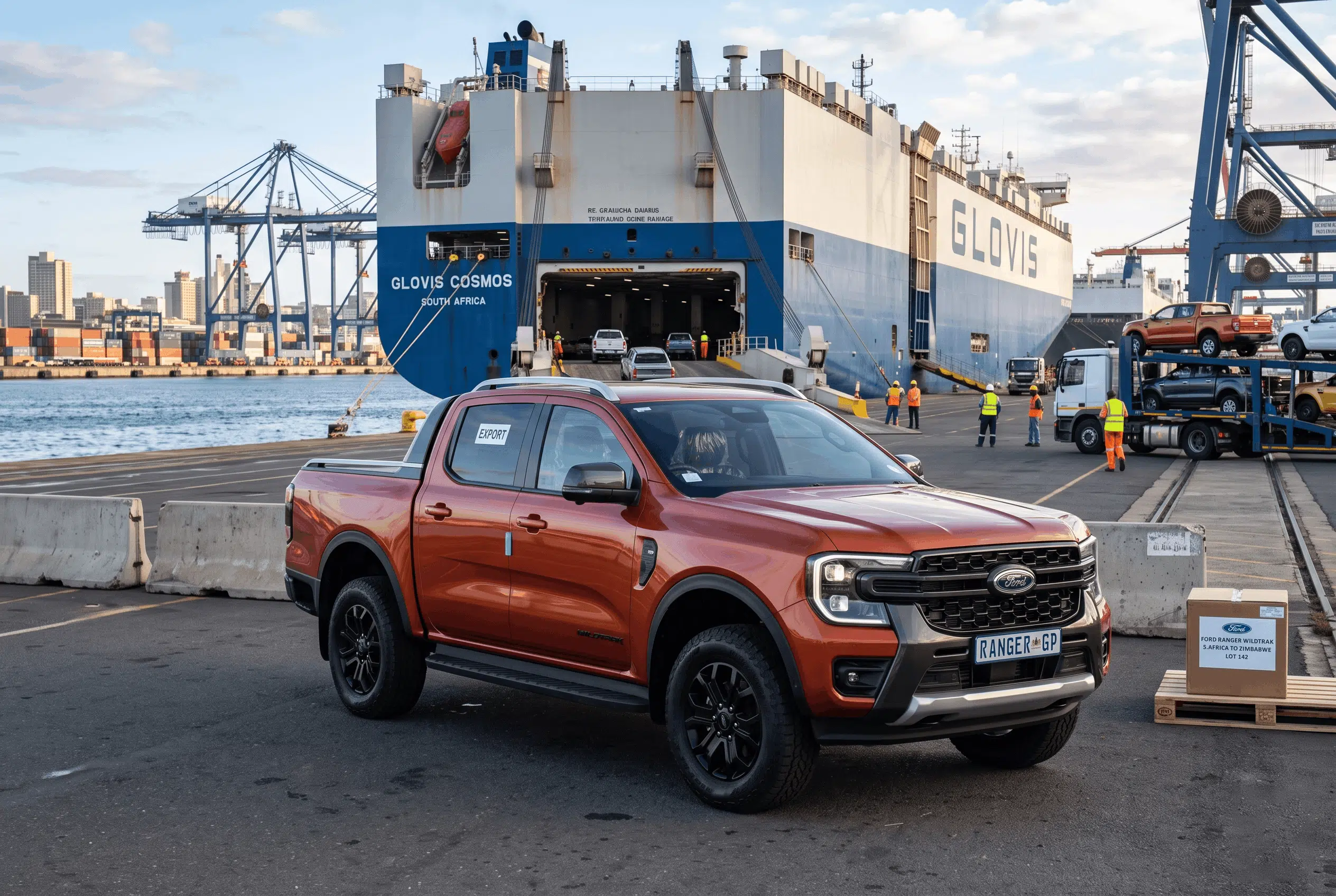
Vehicles from South Africa are generally better suited for African environments. Models like Toyota Hilux, Land Cruiser, and Ford Ranger are widely used because they handle rough roads and long distances effectively.
If you are importing for business or rural use, this becomes an important factor.
Spare Parts and Maintenance
Maintenance is one of the most overlooked factors when choosing a vehicle.
Japanese imports can sometimes face challenges with spare parts availability, depending on the model. Some vehicles are not common in African markets, making parts more expensive or difficult to source.
South African vehicles are usually already aligned with regional demand. Spare parts are more accessible, and mechanics are familiar with these models.
This reduces long-term ownership costs.
Compliance and Documentation
The import process differs significantly between the two markets.
Japanese imports involve:
- Auction documentation
- Export certificates
- Shipping coordination from Japan
South African exports involve:
- Police clearance
- Export registration
- Regional compliance (such as SARPCCO)
If you want to understand compliance better, you can read: Complete Guide to SARPCCO Clearance for Vehicle Export from South Africa (2026 Explained)
While both processes are manageable, South Africa offers a more localized and region-friendly system for African buyers.
Risk and Transparency
Risk is where the biggest difference appears.
With Japan, buyers rely heavily on agents and auction reports. While the system is structured, there is still a level of uncertainty, especially for first-time buyers.
South Africa offers more direct control. Vehicles can be inspected, verified, and confirmed before export.
This transparency reduces the risk of unexpected issues after delivery.
When Japan Is the Better Option
Japan may be the right choice if:
- You are looking for very specific models
- You are comfortable with auction systems
- You are focused on lower upfront vehicle price
For experienced buyers, Japan can offer good value.
When South Africa Is the Better Option
South Africa is usually the better option if:
- You want verified and inspected vehicles
- You prefer faster delivery
- You need vehicles suited for African roads
- You want easier access to spare parts
For most buyers across Tanzania, Zambia, and Zimbabwe, this option tends to be more practical.
You can explore country-specific import processes here:
Tanzania: How to Import a Car from South Africa to Tanzania: A Complete 2026 Guide
Zambia: How to Import a Car from South Africa to Zambia (2026 Complete Guide)
Zimbabwe: How to Import a Car from South Africa to Zimbabwe (2026 Complete Guide)
Choosing between Japan and South Africa is not just about price. It is about reliability, delivery time, and long-term ownership experience.
If you are considering importing a car and want guidance based on your budget and destination, Kalali Motors can help you evaluate the best option and handle the entire export process, Let’s get in touch.
Frequently Asked Questions
Japan can be cheaper at the auction level, but total costs including shipping and fees often reduce the difference.
South Africa is generally faster, especially for African destinations.
They are well maintained, but suitability depends on usage and road conditions.
Vehicles sourced from South Africa are often better suited for local conditions.
Final Thoughts
There is no universal answer to which option is better. It depends on your priorities.
Buyers who prioritize lower upfront cost and specific models may prefer Japan. Those who value reliability, faster delivery, and easier maintenance often choose South Africa.
Understanding the differences before making a decision helps avoid costly mistakes and ensures a smoother import experience.