
Importing a vehicle from South Africa to Zambia has become increasingly common for both private buyers and businesses. Zambia relies heavily on imported vehicles, and South Africa remains one of the most trusted sourcing markets in the region.
While the distance between the two countries is manageable and trade routes are well established, importing a vehicle is not simply a matter of purchase and transport. The process involves export clearance in South Africa, cross-border compliance, duty calculation in Zambia, and proper documentation at every stage.
This guide explains the entire process in detail so that buyers understand what to expect, what documents are required, and where most delays occur.
Why Zambian Buyers Source Vehicles from South Africa
South Africa offers one of the most structured automotive markets on the continent. Vehicles typically have verifiable service history, documented ownership, and compliance records. This reduces the risk associated with purchasing remotely.
Zambian buyers often import vehicles such as:
- Toyota Hilux
- Toyota Land Cruiser
- Nissan NP300
- Isuzu D-Max
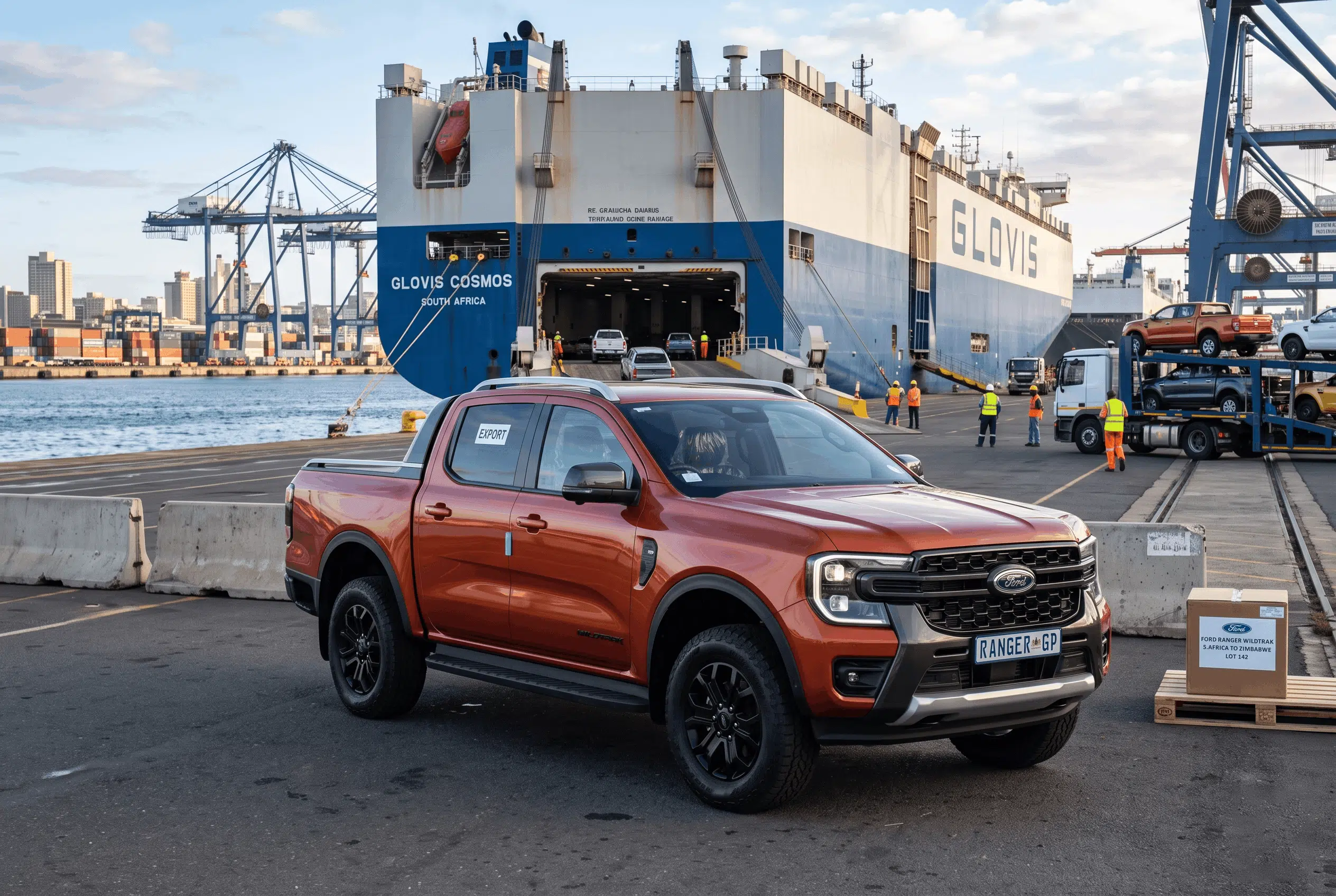
- Ford Ranger
These vehicles are well suited to Zambian road conditions, mining operations, agriculture, and commercial use.
Because both countries operate right-hand drive systems, there are no modification requirements before registration.
Step 1: Selecting and Verifying the Vehicle
The first step is sourcing the right vehicle. Buyers can either purchase directly from a dealership, use a vehicle sourcing company, or buy through an export facilitator.
Before making payment, it is important to confirm that the vehicle:
- Has no outstanding finance
- Has matching VIN and engine numbers
- Has not been written off
- Has a clear registration history
Skipping verification at this stage often leads to complications later in the export process.
You can review available inventory through structured sourcing platforms such as: Used Cars
Step 2: Police Clearance in South Africa
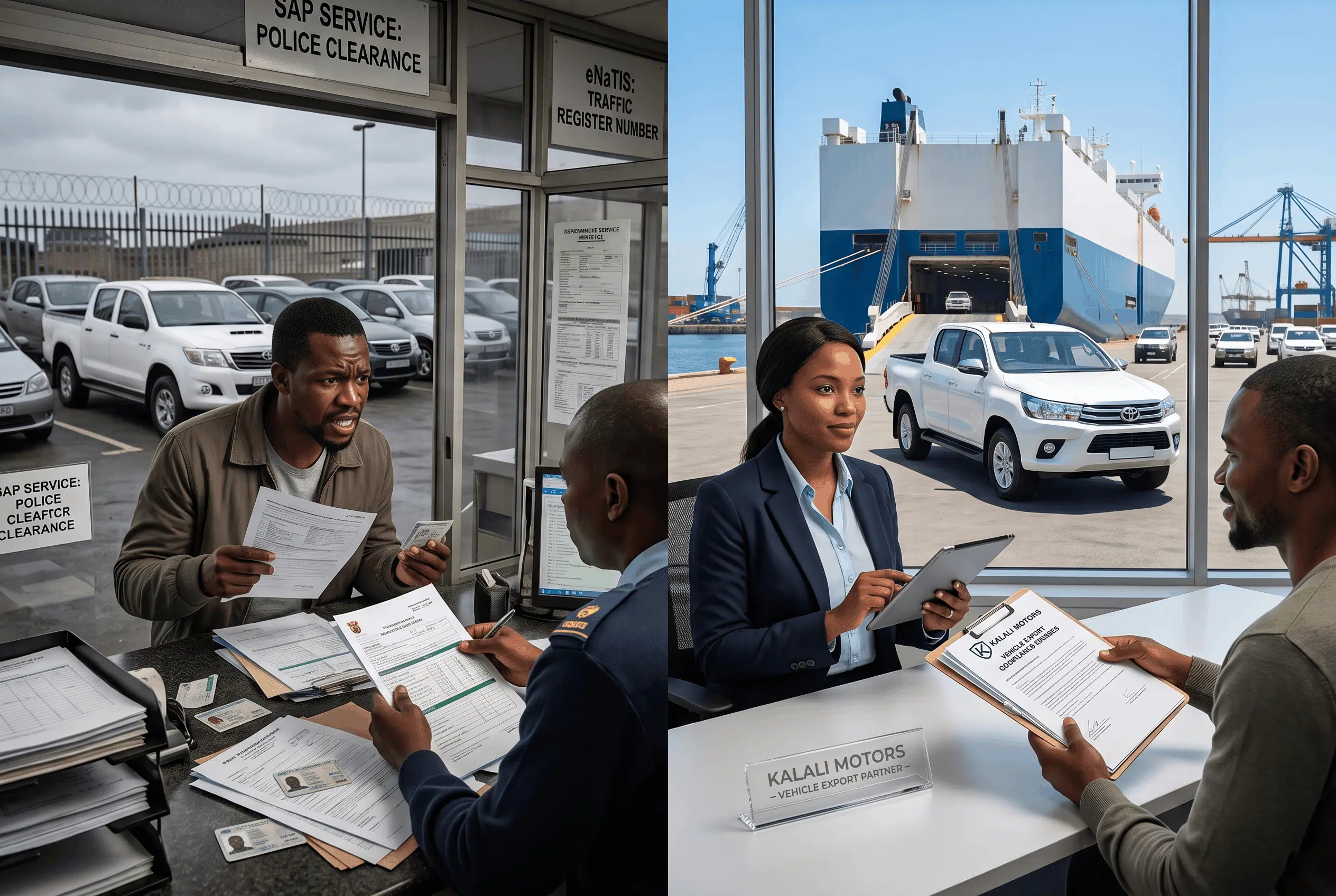
Police clearance is mandatory before any vehicle can leave South Africa. The vehicle must undergo inspection where authorities verify identification numbers and confirm that it is not stolen.
Without police clearance, export cannot proceed.
This step typically takes several working days depending on processing timelines.
Step 3: Export Documentation
Once police clearance is complete, export documentation must be prepared. This includes converting registration status for export and preparing cross-border compliance documentation.
Accurate paperwork is critical. Even minor inconsistencies in names, ID numbers, or VIN details can cause border delays.
You can see how the full export procedure works here: Global Shipping Solutions
Proper documentation ensures smooth border processing.
Step 4: Transport from South Africa to Zambia
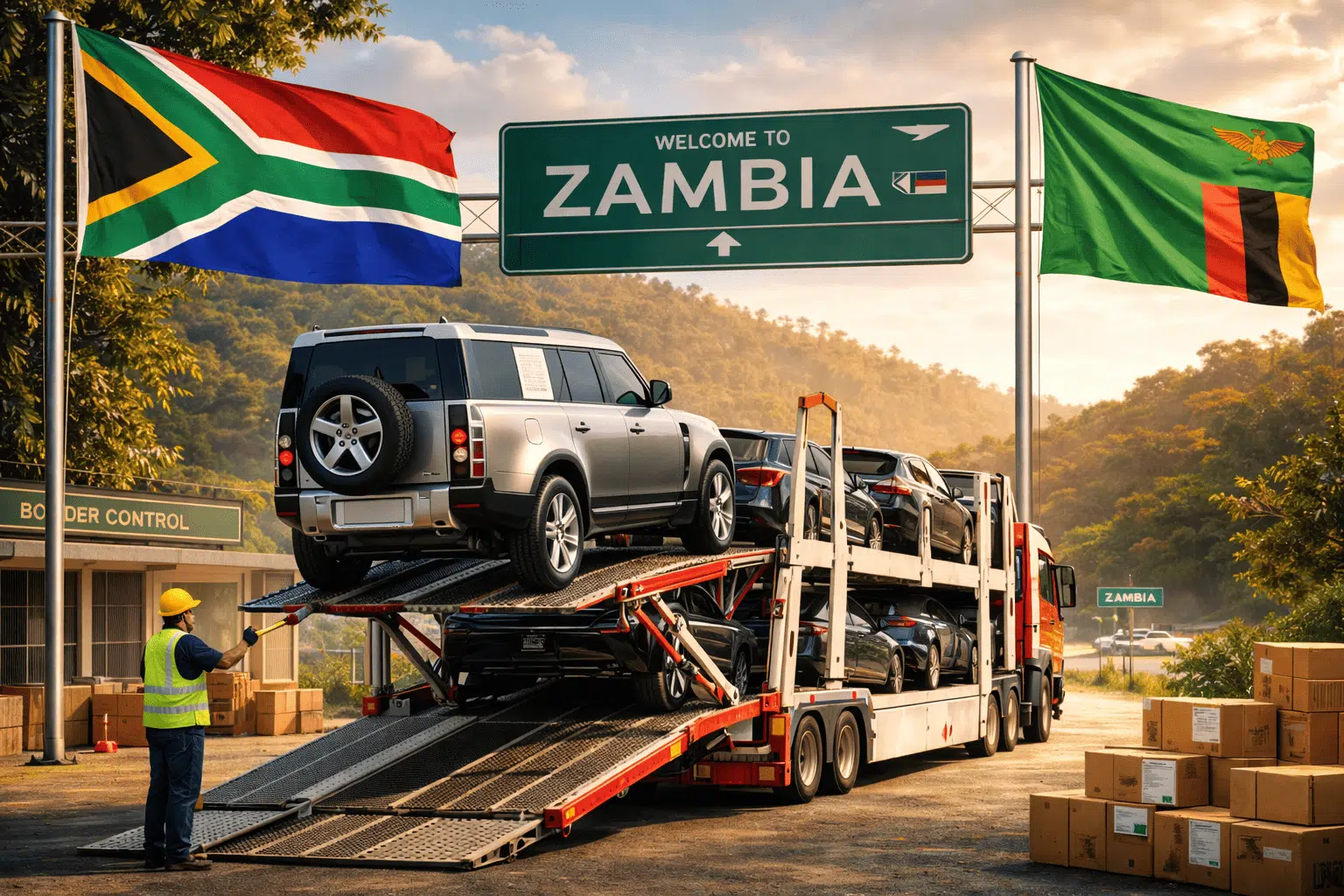
Most vehicles exported to Zambia are transported by road freight. The common route passes through Botswana or Zimbabwe before reaching Zambia.
Road transport is preferred because it is efficient and suitable for neighboring countries.
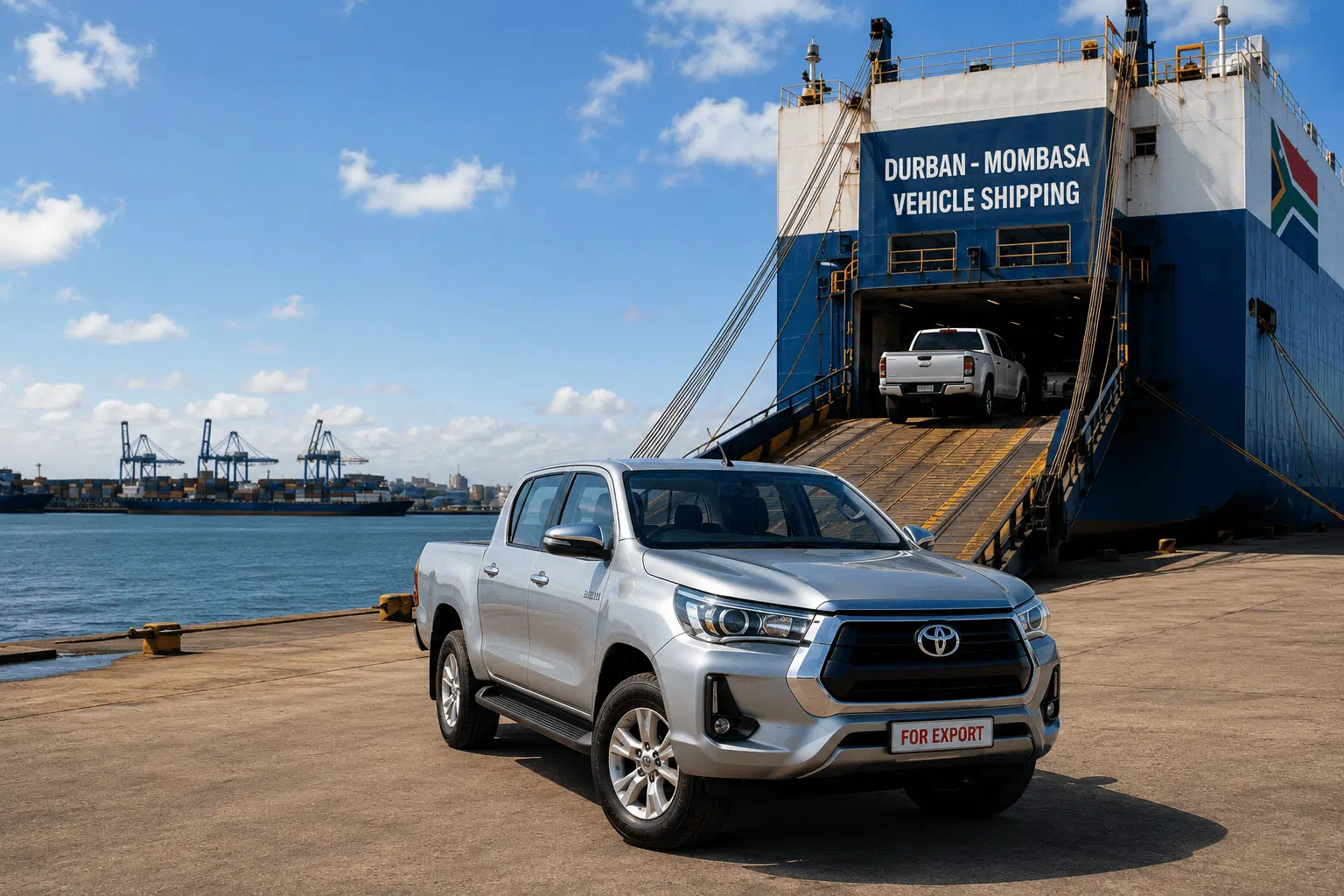
In some cases, sea freight may be used for specific cargo situations, but road freight remains the primary option for standard vehicle exports.
Border Clearance and Customs in Zambia
Upon arrival in Zambia, customs clearance must be completed through the Zambia Revenue Authority.
The buyer or appointed clearing agent must submit:
- Export documentation
- Police clearance certificate
- Invoice or bill of sale
- Identification documents
- Any additional customs forms required
Import duty and VAT are calculated based on vehicle value and applicable tax regulations.
Working with a licensed clearing agent reduces the risk of valuation disputes.
Import Duty and Cost Factors in Zambia
Import duty in Zambia depends on several variables including:
- CIF value (Cost, Insurance, Freight)
- Engine size
- Vehicle age
- Current government tax regulations
The total import cost includes purchase price, inland transport, export processing fees, border charges, and customs duty.
Accurate cost calculation before export is essential for budgeting.
Timeline for Importing to Zambia
The overall timeline depends on documentation readiness and border traffic.
Police clearance and export documentation may take around one week. Road freight transport may take several additional days depending on route conditions.
In most cases, the process can be completed within two to four weeks from purchase if documentation is handled efficiently.
Common Challenges Buyers Face
Some buyers underestimate documentation requirements. Others attempt to manage cross-border paperwork without professional assistance.
Border congestion can also cause delays, particularly during peak trade seasons.
Another issue is incorrect duty estimation, which can lead to unexpected financial strain during clearance.
Planning ahead minimizes these risks.
Why Structured Export Support Matters
Managing export, transport, and compliance independently can be complex, especially for first-time importers.
Kalali Motors provides coordinated export services including:
- Vehicle sourcing
- Inspection coordination
- Police clearance management
- Export documentation preparation
- Road freight organization
- Cross-border compliance support
If you are planning to import a vehicle into Zambia and need clarity before proceeding, you can contact the team directly: Contact Us
Proper coordination reduces uncertainty and speeds up the process.
Frequently Asked Questions
How long does it take to import a car from South Africa to Zambia?
Usually between two and four weeks depending on processing speed.
Is police clearance mandatory?
Yes. Export cannot proceed without it.
Is road freight the best option?
For neighboring countries like Zambia, road freight is commonly used.
Can I import a used vehicle?
Yes, provided it meets Zambian import regulations.
Final Thoughts
Importing a vehicle from South Africa to Zambia is a structured process supported by established trade routes and regulatory systems. While the procedure is manageable, success depends on proper documentation, accurate cost planning, and compliance with border regulations.
Understanding each stage before committing to purchase reduces risk and ensures a smoother import experience.