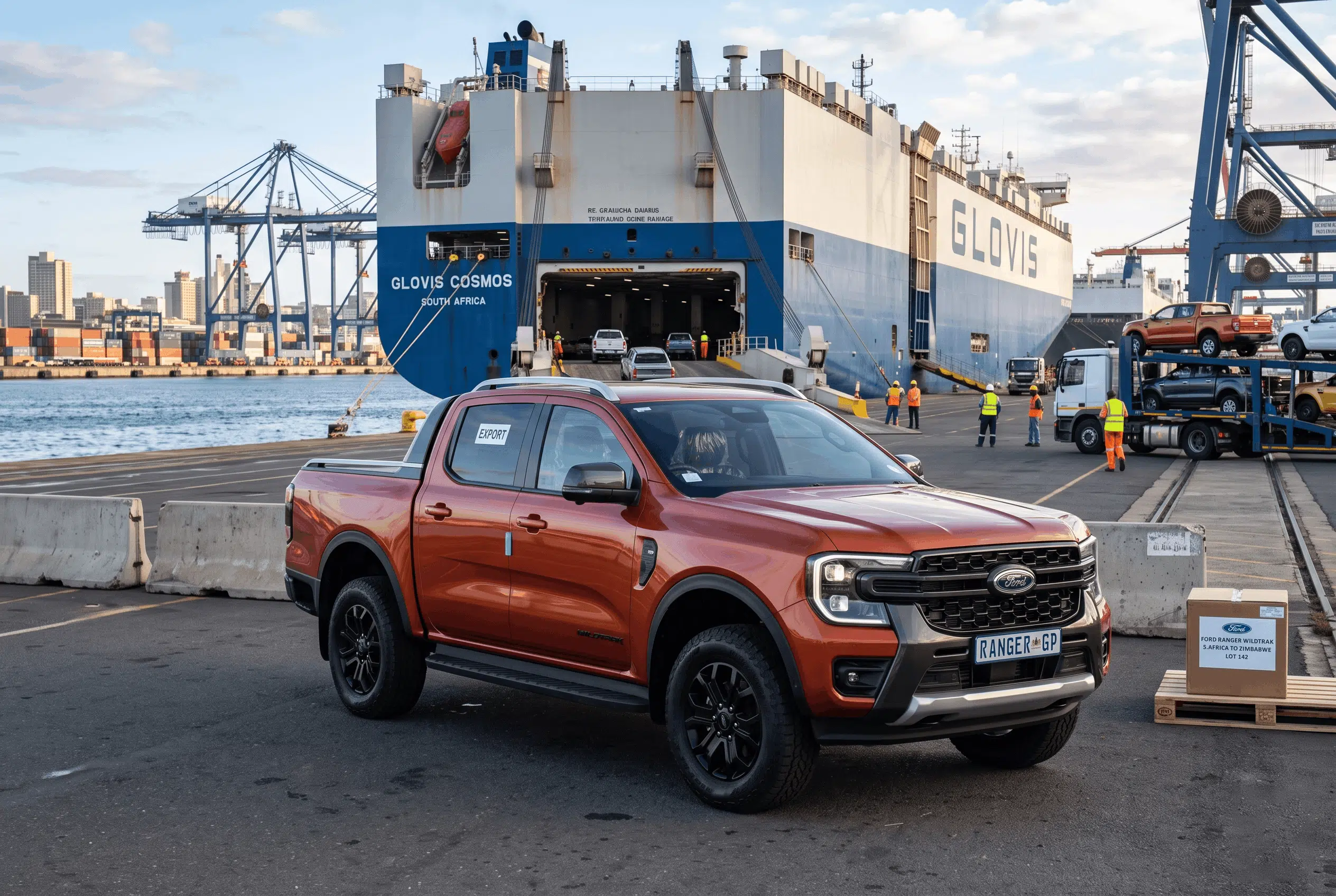


Importing a vehicle from South Africa to Zimbabwe is one of the most common cross-border vehicle transactions in Southern Africa. The two countries share strong trade links, established road networks, and structured customs processes, which makes vehicle export relatively efficient when done correctly.
However, many buyers underestimate the documentation, border compliance, and duty calculations involved. A smooth import depends less on speed and more on preparation.
This guide explains the process step by step, including documents required, road versus sea transport options, customs clearance at Beitbridge, and the cost factors that matter most.
Why Many Zimbabwean Buyers Source Vehicles from South Africa
South Africa has a larger and more regulated automotive market. This provides better access to well-maintained vehicles, clear ownership documentation, and competitive pricing.
Zimbabwean buyers often import:
- Toyota Hilux
- Toyota Land Cruiser
- Ford Ranger
- Nissan NP300
- Isuzu D-Max
These models are well suited for local road conditions and commercial use.
Because both countries use right-hand drive vehicles, there are no conversion issues.
Step 1: Selecting and Verifying the Vehicle
Before payment, the vehicle must be verified properly.
This includes checking:
- VIN and engine numbers
- Registration status
- Service history
- Outstanding finance
If finance is attached to the vehicle, export cannot proceed until it is cleared.
Many buyers choose to source vehicles through structured exporters rather than private sellers to avoid documentation errors.
You can explore available vehicles here: Used Cards
Step 2: Police Clearance and Export Documentation
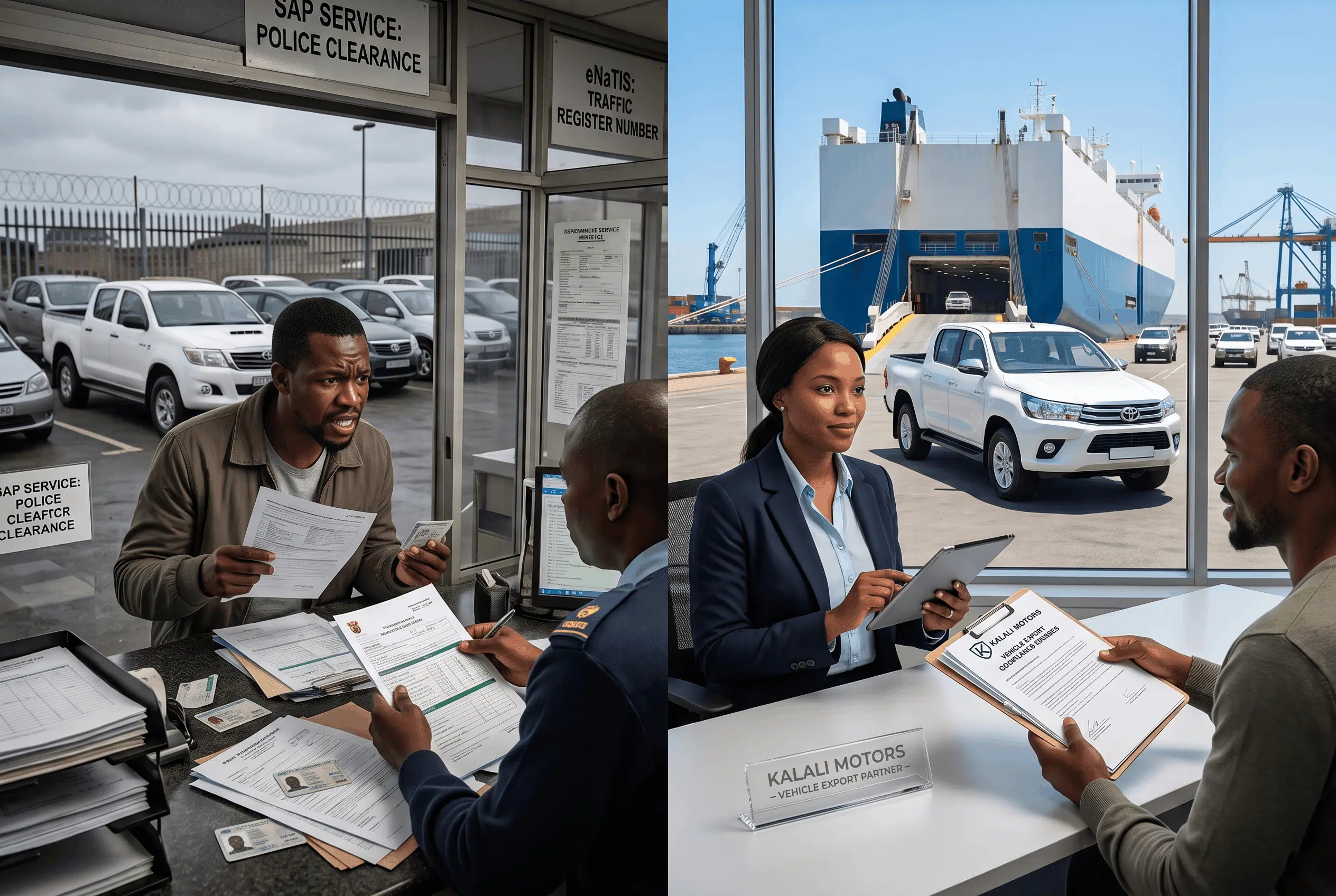
Police clearance is mandatory for all vehicle exports from South Africa.
The vehicle must be physically inspected to confirm identity and legal status. After clearance, export documents are prepared and aligned with destination requirements.
If you want a breakdown of the full export procedure, you can review: Global Shipping Solutions
This stage is critical because documentation errors can cause border delays.
Step 3: Choosing the Shipping Method
For Zimbabwe exports, vehicles are usually transported by road through the Beitbridge border post.
In some cases, sea freight may be used depending on vehicle type and location, but road freight remains the most common option.
Road transport is efficient and allows faster delivery compared to sea transit for neighboring countries.
Kalali Motors offers road freight solutions as part of its export services.
Step 4: Border Clearance at Beitbridge
Beitbridge is the primary border post between South Africa and Zimbabwe.
At this stage, customs documentation is reviewed and import duty is assessed.
Required documents typically include:
- Export clearance from South Africa
- Police clearance certificate
- Invoice or bill of sale
- Buyer identification
- Zimbabwe Revenue Authority documentation
Working with a clearing agent at Beitbridge reduces delays.
Import Duty and Cost Considerations in Zimbabwe
Import duty in Zimbabwe depends on:
- Vehicle value
- Engine capacity
- Age of vehicle
- Applicable taxes
The total cost includes:
- Purchase price
- Export documentation
- Inland transport
- Border charges
- Import duty and VAT
- Clearing agent fees
Accurate cost estimation before export prevents financial surprises.
Timeline for Importing to Zimbabwe
The overall timeline is usually shorter than sea exports.
Police clearance and documentation may take one week. Road transport typically takes several days depending on scheduling and border traffic.
In most cases, delivery can be completed within two to three weeks from purchase if documents are ready.
Common Mistakes to Avoid
Some buyers attempt direct transactions without verifying documentation.
Others underestimate border processing times or fail to calculate duty correctly.
Another frequent issue is incomplete paperwork, which can result in vehicles being held at the border.
Proper preparation prevents unnecessary storage charges.
Why Many Buyers Work with Kalali Motors
Kalali Motors manages the process from sourcing to border coordination. This includes:
- Vehicle inspection
- Police clearance coordination
- Export documentation
- Road freight organization
- Compliance support
If you are planning to import a vehicle into Zimbabwe and want clarity before proceeding, you can contact the team here: Contact Us
Final Thoughts
Importing a vehicle from South Africa to Zimbabwe is structured and manageable when handled correctly. The two countries have established cross-border trade systems, but compliance and documentation accuracy remain essential.
With proper preparation and clear cost understanding, the process becomes predictable.