

When exporting a vehicle from South Africa, one of the first decisions you must make is how the vehicle will be shipped. Most buyers choosing international transport are faced with two main options: RORO shipping and container shipping.
At first glance, the difference may seem simple. One is cheaper, the other more secure. But in reality, the right choice depends on several factors including vehicle type, destination, budget, urgency, and risk tolerance.
If you are planning to export a vehicle from South Africa to countries like Tanzania, Zimbabwe, Zambia, or other African destinations, understanding these two shipping methods properly can save you both time and money.
This guide explains how each method works, the real differences, when to choose one over the other, and what most exporters overlook.
What Is RORO Shipping?
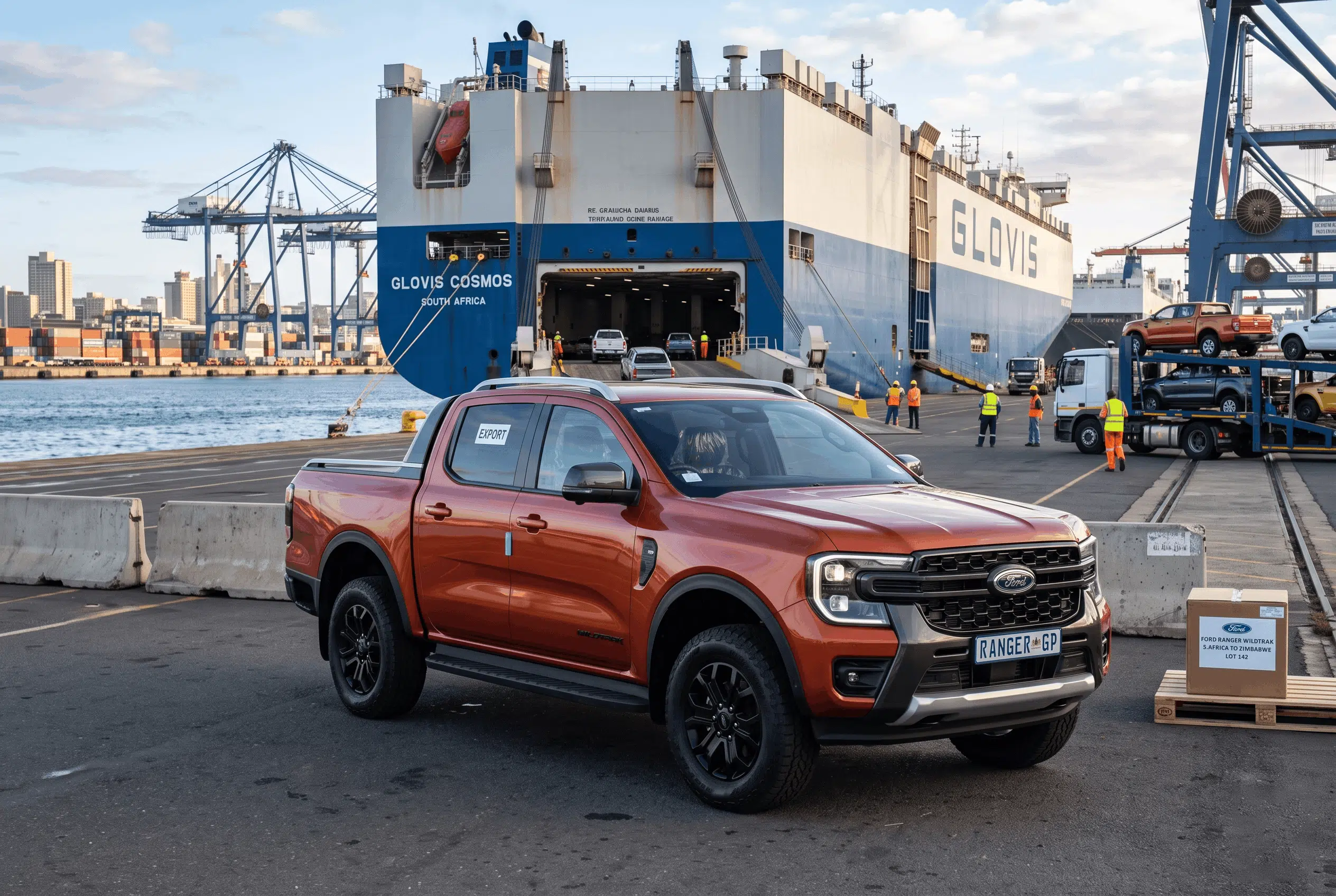
RORO stands for Roll-On Roll-Off. It refers to specialized vessels designed to transport wheeled cargo such as cars, trucks, and machinery.
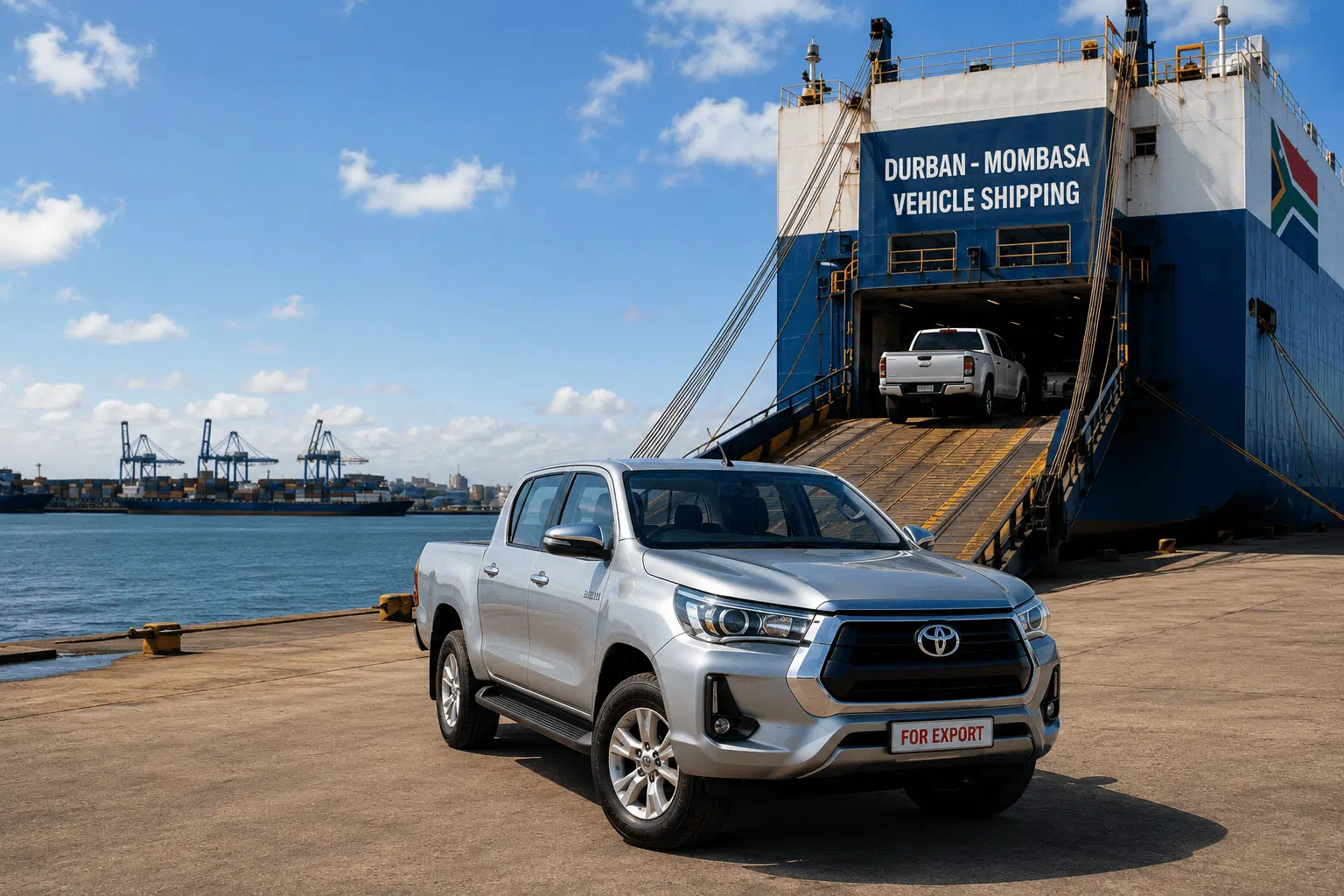
With RORO, the vehicle is driven directly onto the ship at the port of departure. Once secured inside the vessel, it is transported across the sea and then driven off at the arrival port.
In South Africa, most RORO exports depart from Durban Port.
How RORO Actually Works
After export documentation and police clearance are completed, the vehicle is delivered to the port terminal. Port operators inspect it, confirm paperwork, and then drive it onto the carrier ship using built-in ramps.
Inside the vessel, vehicles are parked in designated decks and secured to prevent movement during transit.
Upon arrival, the process is reversed.
Advantages of RORO Shipping
RORO is often the preferred method for standard vehicle exports because:
• It is generally more affordable than container shipping
• Loading and unloading are efficient
• Transit schedules are frequent on common African routes
• It is ideal for operational vehicles
For many buyers importing SUVs or pickups to East Africa, RORO offers a practical balance between cost and efficiency.
Limitations of RORO Shipping
RORO does have restrictions.
The vehicle must be in running condition. Non-operational vehicles cannot be loaded.
Loose items and spare parts typically cannot be shipped inside the vehicle.
Since the car remains accessible during transit within the vessel, some buyers of high-value luxury vehicles prefer additional security.
What Is Container Shipping?
Container shipping involves loading the vehicle into a sealed shipping container before transport.
The vehicle is secured inside the container using straps and wheel locks. The container is then sealed and loaded onto a cargo ship.
This method is widely used for luxury vehicles, non-running cars, and situations where additional cargo needs to be shipped together.
How Container Shipping Works from South Africa
Once export documentation is complete, the vehicle is delivered to a container yard near Durban Port.
It is carefully loaded inside a 20-foot or 40-foot container. The vehicle is secured to prevent movement, and the container is sealed.
At destination, the container is opened under customs supervision.
Advantages of Container Shipping
Container shipping provides:
• Higher security due to sealed enclosure
• Protection from weather exposure
• Ability to ship spare parts or accessories inside
• Suitability for non-running vehicles
If you are exporting a high-value vehicle or multiple vehicles together, container shipping often makes more sense.
Cost Comparison: RORO vs Container Shipping
Cost is often the deciding factor.
RORO shipping is usually more affordable because:
- It requires less handling
- No container rental cost
- Simpler loading process
Container shipping costs more due to:
- Container usage fees
- Additional labor
- Securing materials
- Container handling charges
However, if you are shipping multiple vehicles in one container, the cost per vehicle may become competitive.
Before making a decision, it is advisable to review the shipping options offered by experienced exporters such as Kalali Motors: Global Shipping Solutions
Transit Time Comparison
Transit time differences are usually minimal.
RORO vessels may have more frequent departures on major African routes.
Container ships operate on fixed schedules and may sometimes require consolidation if using shared container space.
For most exports to East Africa, the sea transit time is similar.
Delays are more commonly caused by documentation errors than shipping method.
When Should You Choose RORO?
RORO is generally suitable when:
- The vehicle is fully operational
- You are exporting a standard SUV or pickup
- Budget is a primary concern
- No spare parts need to be included
- Destination port supports RORO unloading
Many vehicles exported from South Africa to Tanzania follow this route.
If you are importing to Tanzania, you may also want to read: How to Import a Car from South Africa to Tanzania: A Complete 2026 Guide
When Should You Choose Container Shipping?
Container shipping is recommended when:
- The vehicle is luxury or high-value
- The vehicle is non-operational
- You need to ship spare parts
- You prefer additional security
- You are shipping multiple units together
Construction companies and mining operators often use containers for machinery exports.
Risk and Insurance Considerations
Both RORO and container shipping require marine insurance.
RORO vehicles are exposed within the ship’s internal decks, while container vehicles are sealed.
While incidents are rare, insurance coverage should always be included regardless of shipping method.
Durban Port and Export Handling
Durban Port remains the primary export hub for vehicle shipping in South Africa.
The export process includes:
- Police clearance
- Export documentation
- Terminal booking
- Shipping schedule confirmation
You can review the full export process here: Export Paperwork
Proper documentation ensures smooth departure regardless of shipping method.
Common Mistakes Buyers Make
One frequent mistake is selecting the cheapest method without understanding suitability.
Another is assuming RORO allows spare parts inside the vehicle.
Some buyers underestimate port handling charges or fail to calculate full CIF value before customs clearance.
Shipping decisions should be made after reviewing the full export plan.
Is One Method Safer Than the Other?
Both methods are widely used globally.
Container shipping offers more enclosure-based security.
RORO shipping has decades of operational reliability.
The safer option depends on vehicle type and export scenario rather than method alone.
Frequently Asked Questions
Is RORO cheaper than container shipping?
Yes, in most cases.
Can I ship a non-running vehicle via RORO?
No.
Does container shipping take longer?
Not necessarily. It depends on scheduling.
Is marine insurance mandatory?
It is strongly recommended.
Which method is better for exporting to East Africa?
For standard operational vehicles, RORO is common. For high-value or special cargo, container shipping is preferred.
Final Recommendation
Choosing between RORO and container shipping is not about which method is universally better. It is about what fits your vehicle, budget, and destination requirements.
For most standard vehicle exports from South Africa to African destinations, RORO offers cost efficiency and reliability.
For premium vehicles, non-running units, or shipments including additional cargo, container shipping provides greater control and security.
If you are unsure which option fits your situation, you can speak with the Kalali Motors team directly.