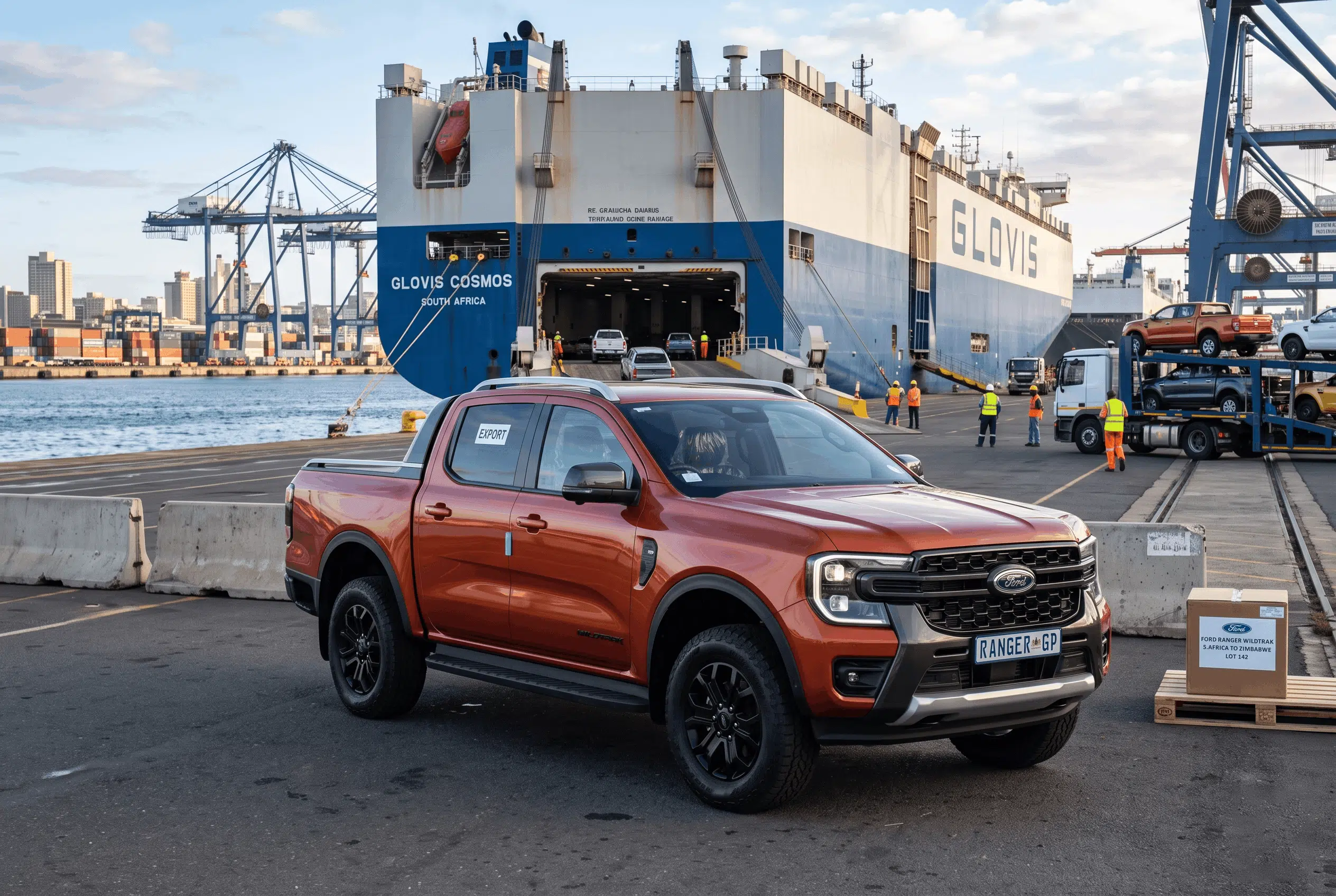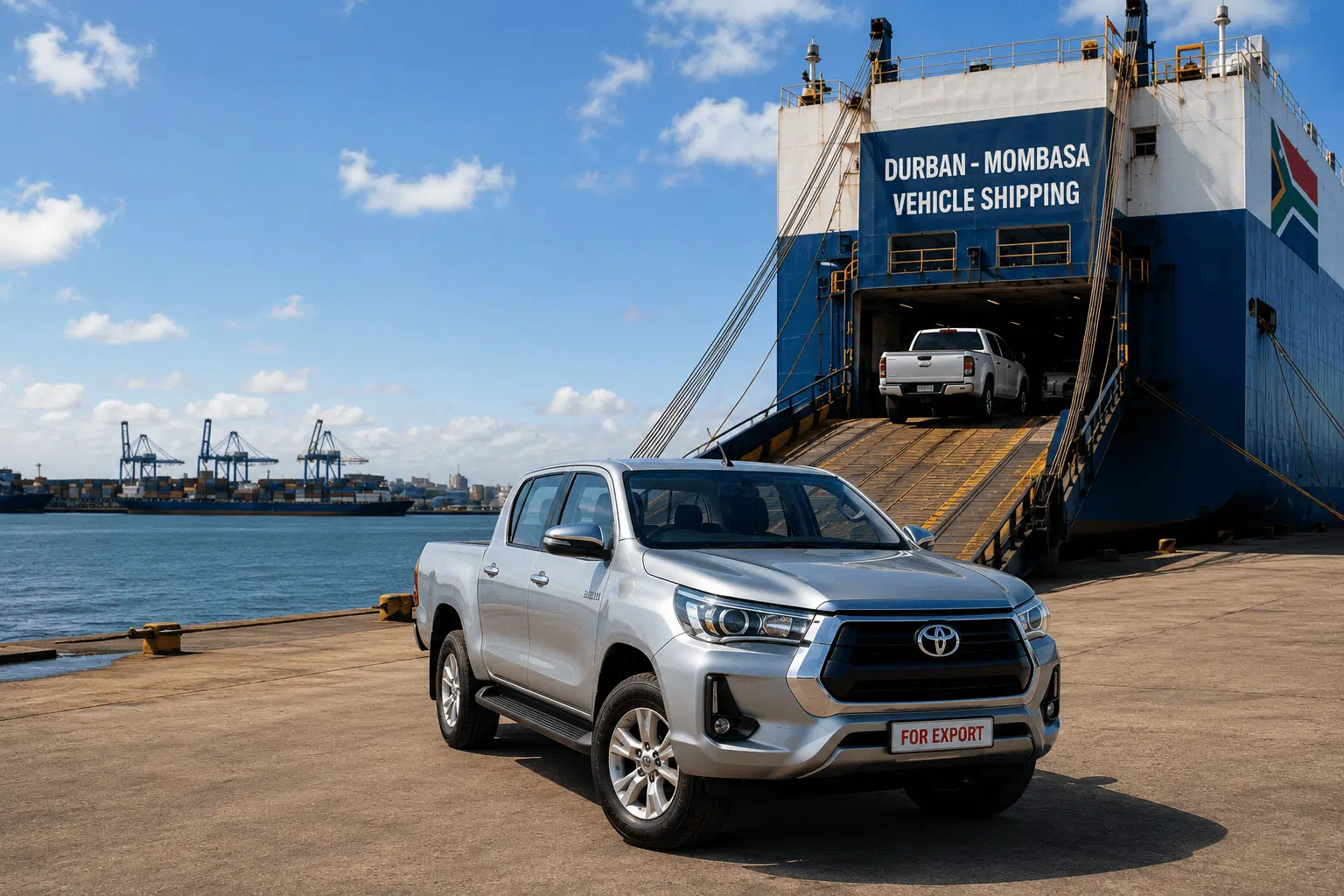


Exporting a car from South Africa is no longer limited to large dealerships or corporate buyers. Over the last few years, individual buyers, fleet owners, and businesses across Africa have started sourcing vehicles directly from the South African market. The reason is simple. Better pricing, reliable vehicle history, and a structured automotive ecosystem make it one of the most practical sourcing destinations on the continent.
However, while the opportunity is real, the process itself is not as straightforward as many expect. There are multiple steps involved, from selecting the right vehicle to handling compliance, documentation, and shipping logistics. Missing even a small detail can lead to delays, extra costs, or in some cases, rejection at the destination port.
This guide walks you through the complete process of exporting cars from South Africa, based on how the system actually works in practice.
Why Buyers Prefer South Africa for Car Exports
South Africa has built a strong reputation as a vehicle export hub, particularly for countries across Southern and East Africa. One of the main reasons is transparency. Vehicles are typically sold with proper ownership records, service history, and clear documentation, which reduces risk for international buyers.
Another factor is variety. Whether you are looking for a Toyota Land Cruiser, a Ford Ranger, or an entry-level sedan, the availability is significantly higher compared to many neighboring countries. Buyers are not forced to settle for limited options.
Pricing also plays a major role. Due to market size and competition, vehicles in South Africa are often priced more competitively than in countries like Tanzania, Zambia, or Zimbabwe.
Step 1: Selecting the Right Vehicle
The first step in the process is identifying a vehicle that meets your needs and budget. This might sound simple, but it is where most buyers make mistakes.
You need to consider more than just price. Mileage, service history, accident records, and mechanical condition all play a critical role in long-term value. A cheaper vehicle with hidden issues can end up costing more after import.
If you want to explore available options, you can review our New Cars and Used Cars
Before making any payment, ensure that the vehicle is properly inspected. This is not optional. Remote buyers should always rely on professional inspection to verify the actual condition.
Step 2: Vehicle Verification and Clearance
Once the vehicle is selected, the next step is verification and clearance. This is a legal requirement and cannot be skipped.
In South Africa, vehicles must go through police clearance before export. This process ensures that:
- The vehicle is not stolen
- The VIN and engine numbers match official records
- There are no legal disputes or ownership issues
In addition to police clearance, cross-border compliance such as SARPCCO clearance may be required depending on the destination country.
This stage is critical because any mismatch or issue can stop the export process entirely.
Step 3: Export Documentation
After clearance, the documentation process begins. This is where accuracy becomes extremely important.
Typical export documentation includes:
- Export registration
- Commercial invoice
- Proof of ownership
- Clearance certificates
- Shipping documents
Each document must match perfectly. Even small inconsistencies in names, numbers, or values can create delays at customs.
For a better understanding of how the logistics and paperwork come together, you can review:
A structured approach at this stage prevents unnecessary complications later.
Step 4: Choosing the Right Shipping Method
Shipping is not just a logistics decision. It directly affects cost, safety, and delivery timelines.
There are two primary methods used for vehicle export:
RORO Shipping
Roll-on Roll-off (RORO) is commonly used for operational vehicles. The car is driven onto a vessel and secured for transport. This method is usually more affordable and faster.
Container Shipping
Container shipping provides additional protection. The vehicle is loaded into a container, which can also include spare parts or additional items. This is often preferred for high-value vehicles.
If you are unsure which option to choose, this comparison can help:
The decision depends on your budget, vehicle type, and destination requirements.
Step 5: Transport and Delivery Timeline
Most exports are handled through Durban Port, which serves as the main gateway for international shipments.
Depending on the destination, vehicles can be transported by sea or road. For nearby countries like Zimbabwe or Zambia, road transport is often used. For East African destinations like Tanzania, sea freight is more common.
Delivery timelines typically range from two to six weeks. However, this can vary based on shipping schedules, documentation readiness, and customs processing.
Planning ahead is essential to avoid storage charges or unexpected delays.
Step 6: Import Process at Destination
Once the vehicle reaches its destination, the import process begins. This is where local regulations come into play.
Buyers must handle:
- Import duties
- VAT and taxes
- Port handling charges
- Customs clearance
Each country has different rules, and it is important to understand them before shipping the vehicle.
For country-specific guidance, you can refer to:
- How to Import a Car from South Africa to Tanzania: A Complete 2026 Guide
- How to Import a Car from South Africa to Zimbabwe (2026 Complete Guide)
- How to Import a Car from South Africa to Zambia (2026 Complete Guide)
Understanding these requirements early helps avoid unexpected costs.
Understanding the Total Cost
Many buyers focus only on the vehicle price, which is a mistake. The actual cost of exporting a car includes several components.
You need to account for:
- Vehicle purchase price
- Inspection and verification
- Export documentation
- Shipping costs
- Insurance
- Import duty and VAT
- Port and clearance fees
Without a proper estimate, it becomes difficult to plan your budget accurately.
Common Mistakes Buyers Make
Exporting a car is not complicated, but it requires attention to detail. Most issues arise from simple mistakes that could have been avoided.
Some of the most common ones include:
- Paying for a vehicle without inspection
- Underestimating import duties
- Choosing the wrong shipping method
- Incomplete or incorrect documentation
- Working with unverified sellers
These mistakes can lead to delays, additional costs, or even loss of money in worst-case scenarios.
Why Work with a Professional Export Partner
Handling the entire process independently is possible, but it comes with risk. A professional export partner helps reduce that risk significantly.
Kalali Motors provides support across all stages, including sourcing, inspection, documentation, and shipping coordination. This ensures that each step is handled correctly and efficiently.
If you are planning to export a vehicle and want guidance before making a decision, Contact Us.
Having the right support makes the process smoother and more predictable.
Frequently Asked Questions About Exporting Cars from South Africa
In most cases, the full process takes between two to six weeks. This depends on how quickly documentation is completed, the shipping method selected, and the destination country. Delays usually happen when paperwork is incomplete or customs clearance is not planned properly.
Yes, police clearance is required for every vehicle being exported from South Africa. It confirms that the vehicle is not stolen and that all identification details match official records. Without this, the export process cannot proceed.
SARPCCO clearance is a regional compliance requirement for cross-border vehicle movement within Southern Africa. It ensures the vehicle meets legal export standards. Whether you need it depends on the country you are exporting to, but in most cases, it is part of the process.
There is no single answer. RORO is more cost-effective and faster for standard vehicles, while container shipping offers more protection and flexibility. The choice depends on your vehicle type, budget, and how much protection you need during transit.
Yes, used cars are commonly exported. However, the vehicle must meet the import regulations of the destination country. Some countries have age restrictions or specific compliance requirements, so it is important to check before purchasing.
Typical requirements include proof of ownership, export registration, police clearance, commercial invoice, and shipping documents. Missing or incorrect documentation is one of the main reasons for delays.
The total cost includes the vehicle price, export documentation, shipping, insurance, and import duties at the destination. Costs vary depending on the vehicle and country, so it is important to get a full estimate before proceeding.
It is possible, but not recommended unless you are familiar with the process. Exporting involves multiple steps and coordination between different authorities. Most buyers prefer working with an export partner to reduce risk and avoid delays.
Yes, Kalali Motors supports buyers from vehicle sourcing to final delivery, including inspection, documentation, and shipping coordination. If you want guidance before starting, you can contact us.
Final Thoughts
Exporting cars from South Africa has become a practical and reliable option for international buyers. The market offers strong value, but success depends on understanding the process clearly.
From vehicle selection to final delivery, each step requires proper planning and execution. Skipping steps or relying on assumptions often leads to problems later.
With the right approach, exporting a vehicle becomes a structured process rather than a risky one. Buyers who take the time to understand the system and work with the right partners are able to achieve better outcomes with fewer complications.